Table Of Contents
Top AI Cloud Business Management Platform Tools
Published on : Aug 08 2025

In the current business landscape, we've seen dramatic shifts thanks to cloud computing. As more and more businesses migrate to cloud computing, the management of resources, environments, and costs of cloud has grown in both complexity and magnitude. AI-supported cloud business management platforms can help organizations with intelligent automation and predictive analytics to maximize their cloud ecosystems, all while lowering their costs and improving their bottom line!
Quick Summary
Cloud management platforms have transformed from basic monitoring solutions to AI-centric ecosystems that monitor resource requirements, scale infrastructure without human interactions, manage costs for additional capacity, and handle security compliance across providers and their multi-cloud arrangements. Cloud management platforms employ machine learning algorithms to recognize usage behaviors, optimize deficiencies, and provide actionable insights to help customers determine how to best act on their cloud strategy.
What are Cloud Management Platforms?
Cloud management platforms are simply software solutions that facilitate unified control and visibility over all cloud infrastructure, applications, and services. Cloud management platforms will integrate with various cloud providers to provide the following management capabilities: resource provisioning, monitoring, cost optimization, security management, and compliance.
Today's AI-enhanced cloud management platforms add another dimension to traditional management, allowing machine learning and artificial intelligence to automate routine tasks, anticipate future resource needs, and make adaptive recommendations for optimization. They essentially act as the command and control center for organizations managing hybrid or multi-cloud environments, allowing IT teams to manage increasingly complicated cloud environments.
How To Select The Right Cloud Management Platform
Choosing a cloud management platform requires careful consideration of a few important factors:
Multi-cloud is key if your organization is using multiple cloud providers. The platform must collaborate with all the largest providers, like AWS, Azure, Google Cloud, etc.
AI and automation capabilities are what will really impact how the platform can automate work and give you better decision-making insights. Find information on features like automated scaling, predictive analytics, and intelligent cost optimization.
Cost management will help to stay within budget for your cloud services. The platform should show you all details of costs, alerts for spending, and recommendations for optimization.
Security and compliance capabilities will support your cloud infrastructure to conform to industry standards and regulations. Security aspects include identity management, access controls, compliance reporting, and others.
Scalability and performance requirements will ensure your platform can grow with your organization seamlessly, as well as handle increased workloads without negatively affecting performance.
Integration abilities from existing tools or workflows are required to allow smooth uptake and limit disruption of current operations.
Best Cloud Management Platforms
1. Google Cloud AI Platform
The Google Cloud AI Platform is a robust and fully-featured environment for both machine learning and AI development tools that fits nicely within the broader GCP ecosystem. It provides powerful end-to-end machine learning workflows from data exploration and preparation to model deployment and monitoring.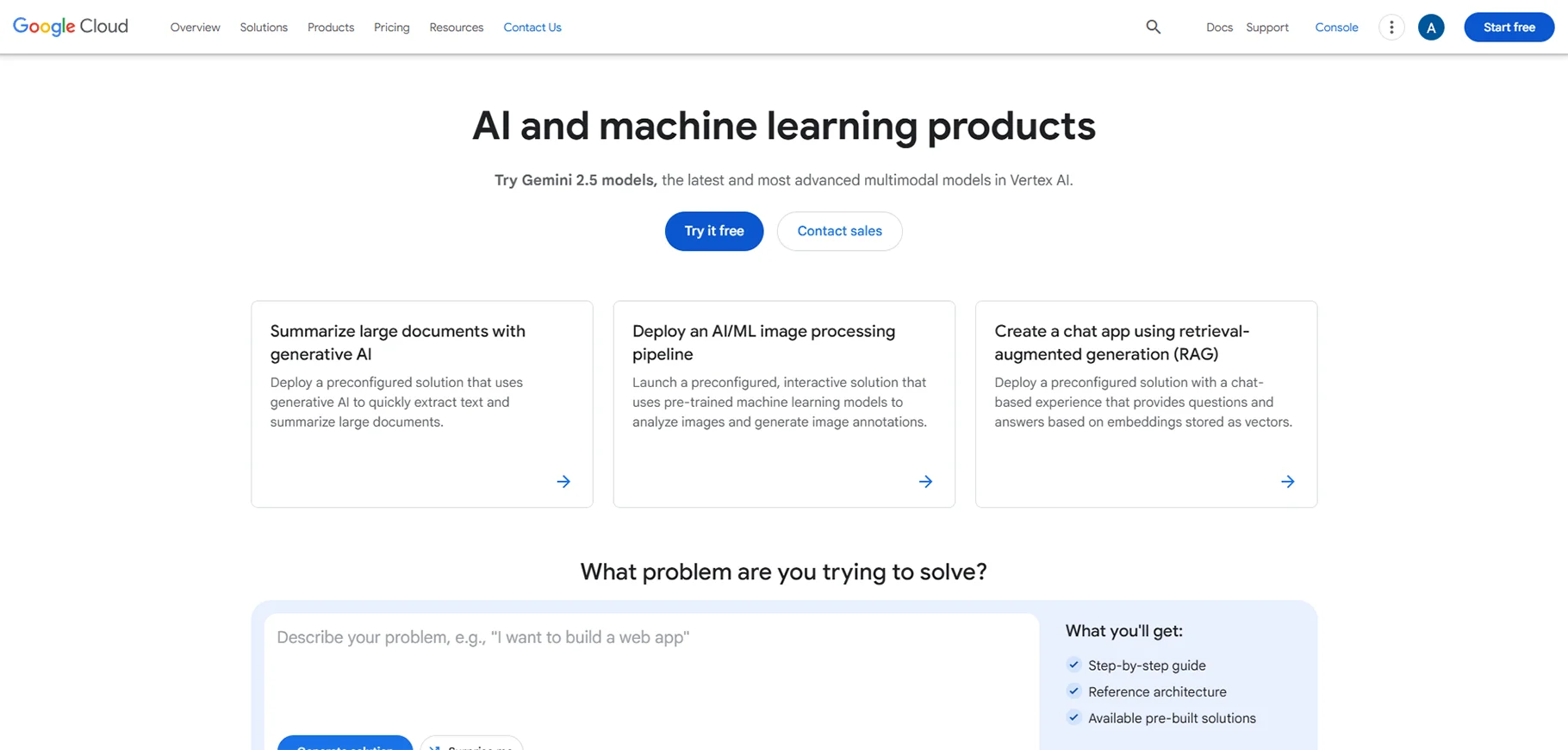
Key Features
- AutoML functionality for novices without deep machine learning knowledge
- Pre-trained models for specific use cases such as image recognition and natural language processing (NLP)
- Vertex AI for making machine learning workflows unified and streamlined
- BigQuery for analytics and big data
- Support for TensorFlow and PyTorch for your models and algorithms
- MLOps support for the entire model lifecycle
2. DigitalOcean Cloud Management Tools
DigitalOcean takes a developer-friendly approach to managing the cloud with intuitive tools designed for usability and portability. DigitalOcean is well-regarded as a management tool for startups and mid to small businesses interested in simplifying cloud management.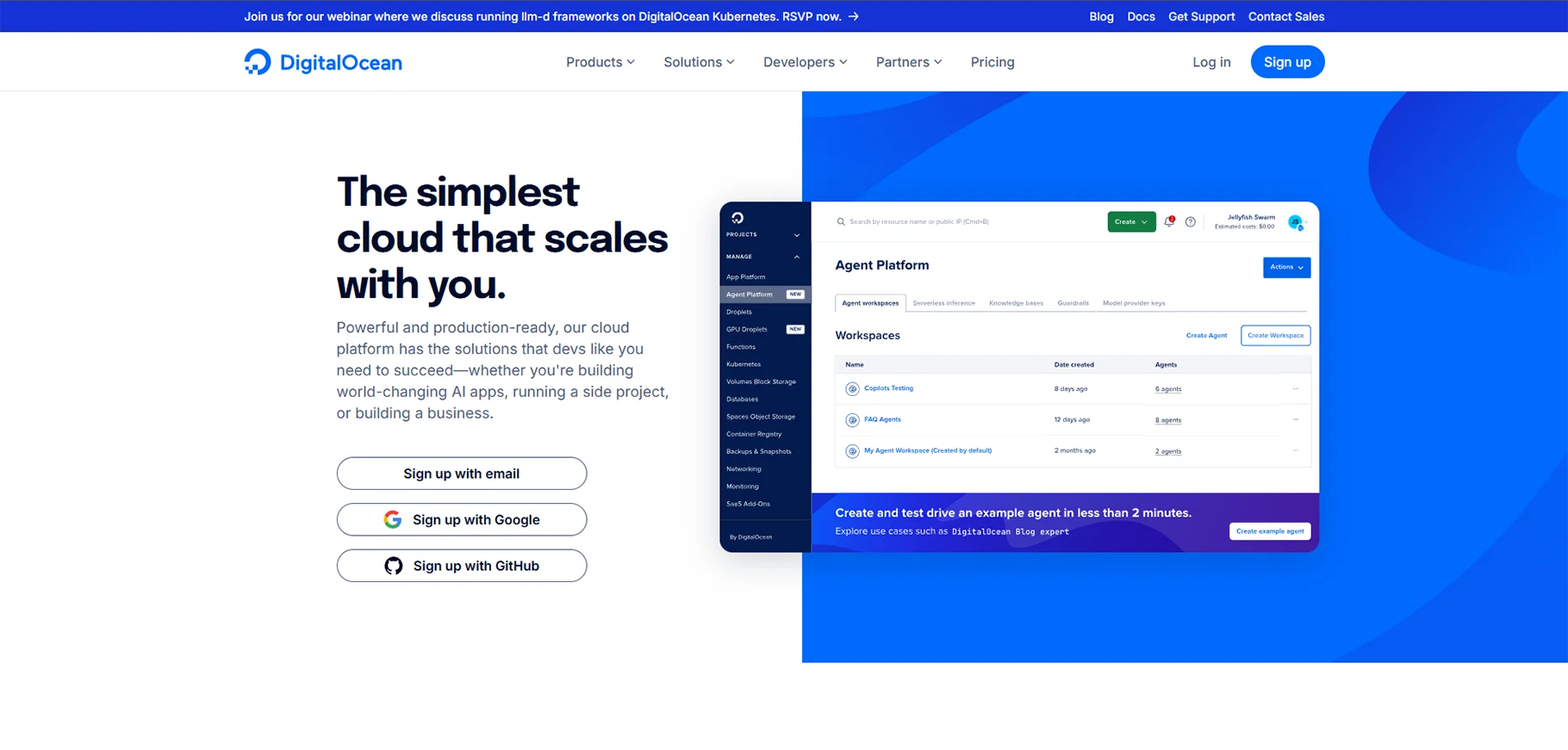
Key Features
- Simple and intuitive dashboard interface
- Automated backups and monitoring
- Load balancers and Managed Databases
- Kubernetes via DigitalOcean Kubernetes (DOKS)
- API-first approach to management
- Minimal and competitive pricing with a clear cost structure
3. Amazon CloudWatch
Amazon CloudWatch is an AWS service for observability and monitoring. It provides visibility into AWS resources and applications. It is a service that provides logging, monitoring, and alerting of multiple resources and applications to ensure optimum cloud performance.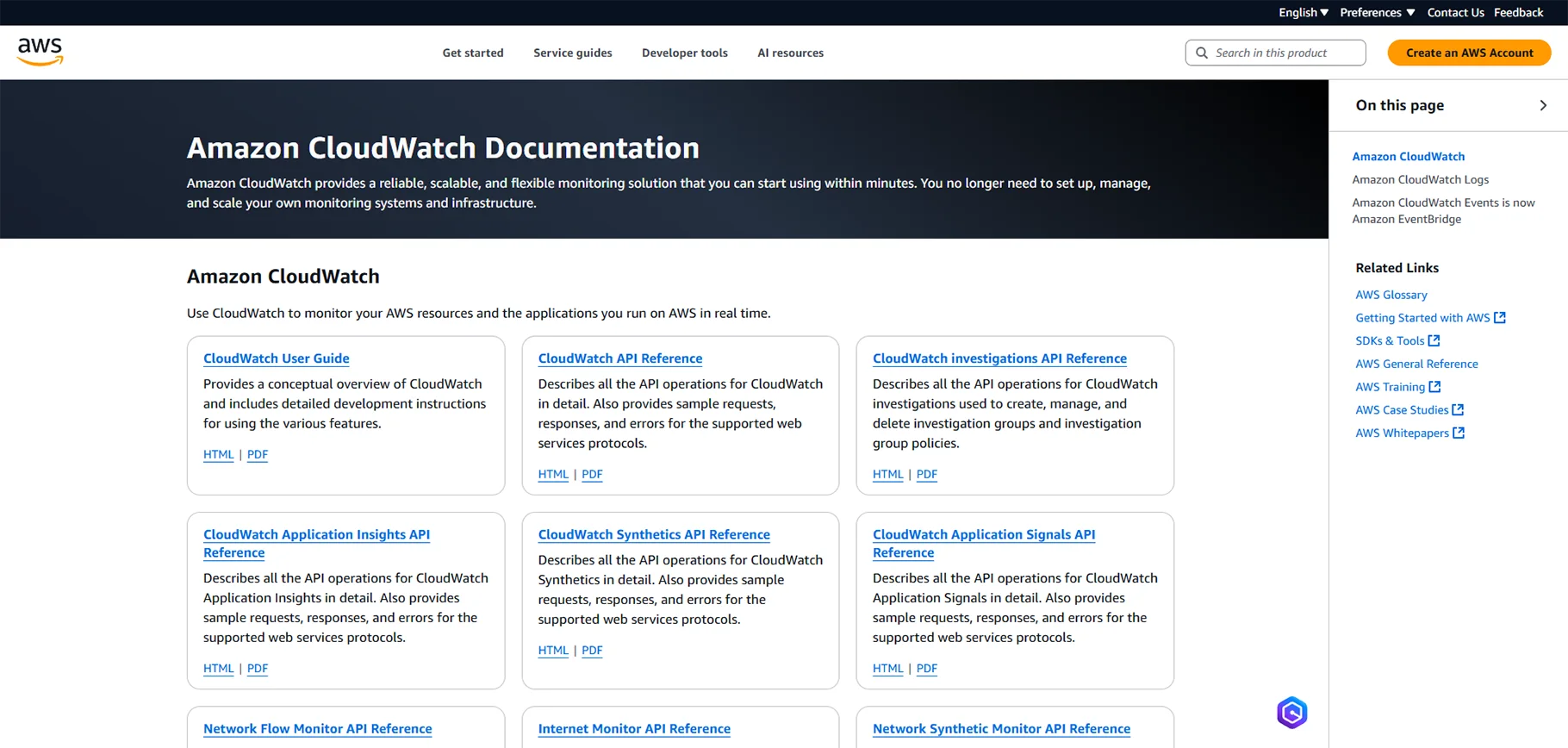
Key Features
- A reliable way to monitor in real time and get alerts on AWS resources and applications.
- Custom metrics and alerts that provide indicators that help find issues early
- Ability to view logs and aggregate logs, and use CloudWatch log insights to explore logs
- Application Performance Monitoring (APM) service with X-Ray integration
- Autoscaling based on CloudWatch metrics
- Serverless monitoring with AWS Lambda.
4. Tanzu CloudHealth
VMware Tanzu CloudHealth is primarily focused on specific cloud financial management and optimization. The platform allows organizations visibility into their cloud spending and identifies cost-saving opportunities in multi-cloud environments.
Key features
- HD cost analysis and reporting.
- Automated cost optimization recommendations.
- Multi-cloud support (includes AWS, Azure, and Google Cloud).
- Resource right-sizing recommendations.
- Budget management and cost allocations.
- Governance and policy management features.
5. Azure Management Tools
Microsoft Azure offers an extensive range of management tools that integrate seamlessly into the Azure ecosystem and can work across hybrid and multi-cloud through Azure Arc.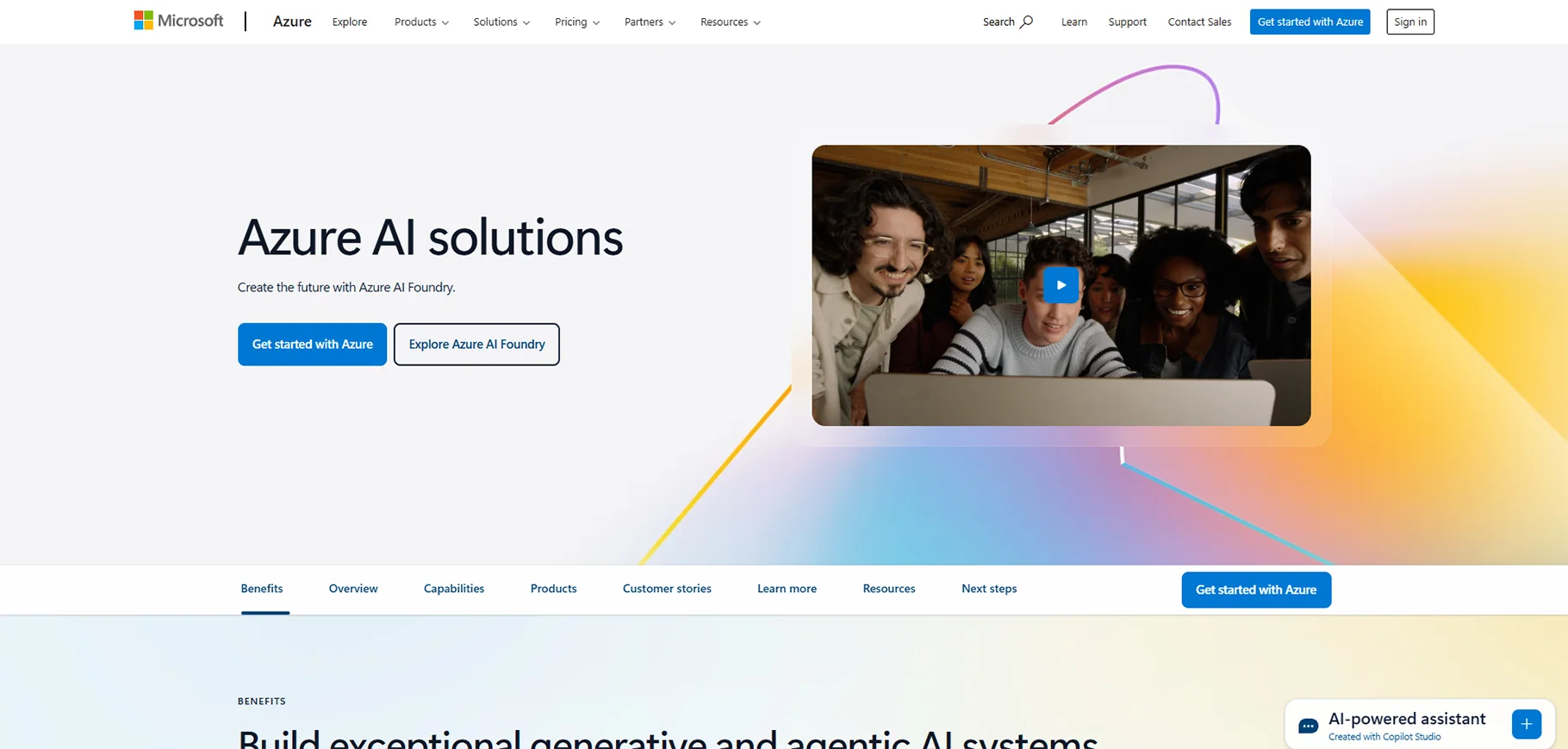
Key Features
- Azure Portal is a unified management experience for Azure resources
- Azure Monitor offers full-stack observability
- Azure Automation enables process automation and configuration management
- Azure Policy offers governance and compliance
- Azure Cost Management enables optimization of expenditure
- Azure Arc enables hybrid and multi-cloud management
6. Flexera Cloud Management Platform
Flexera focuses on cloud cost optimization and IT Asset Management and provides enterprise-level software to help organizations with complicated cloud landscapes and strict governance readiness.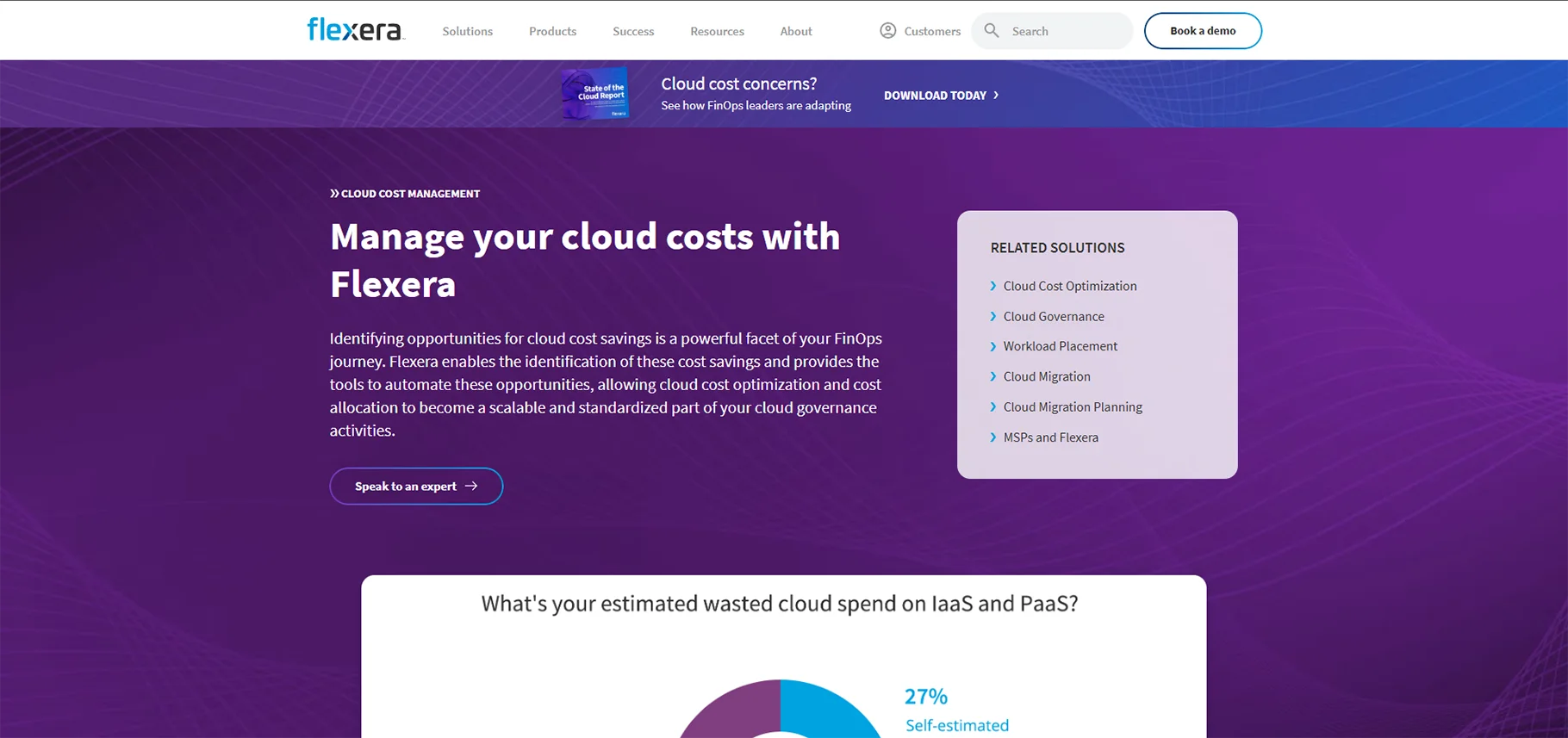
Key Features
- Advanced cost optimization algorithms
- Software license optimization between cloud and on-premises
- Multi-cloud governance and policy enforcement
- Automated rightsizing and resource optimization
- Reports and analytics
- Integrations with major cloud providers and third-party tools
7. Nutanix Cloud Manager
Nutanix has a hyperconverged infrastructure approach to cloud management. Nutanix is focused on providing simplicity and automation across hybrid cloud environments.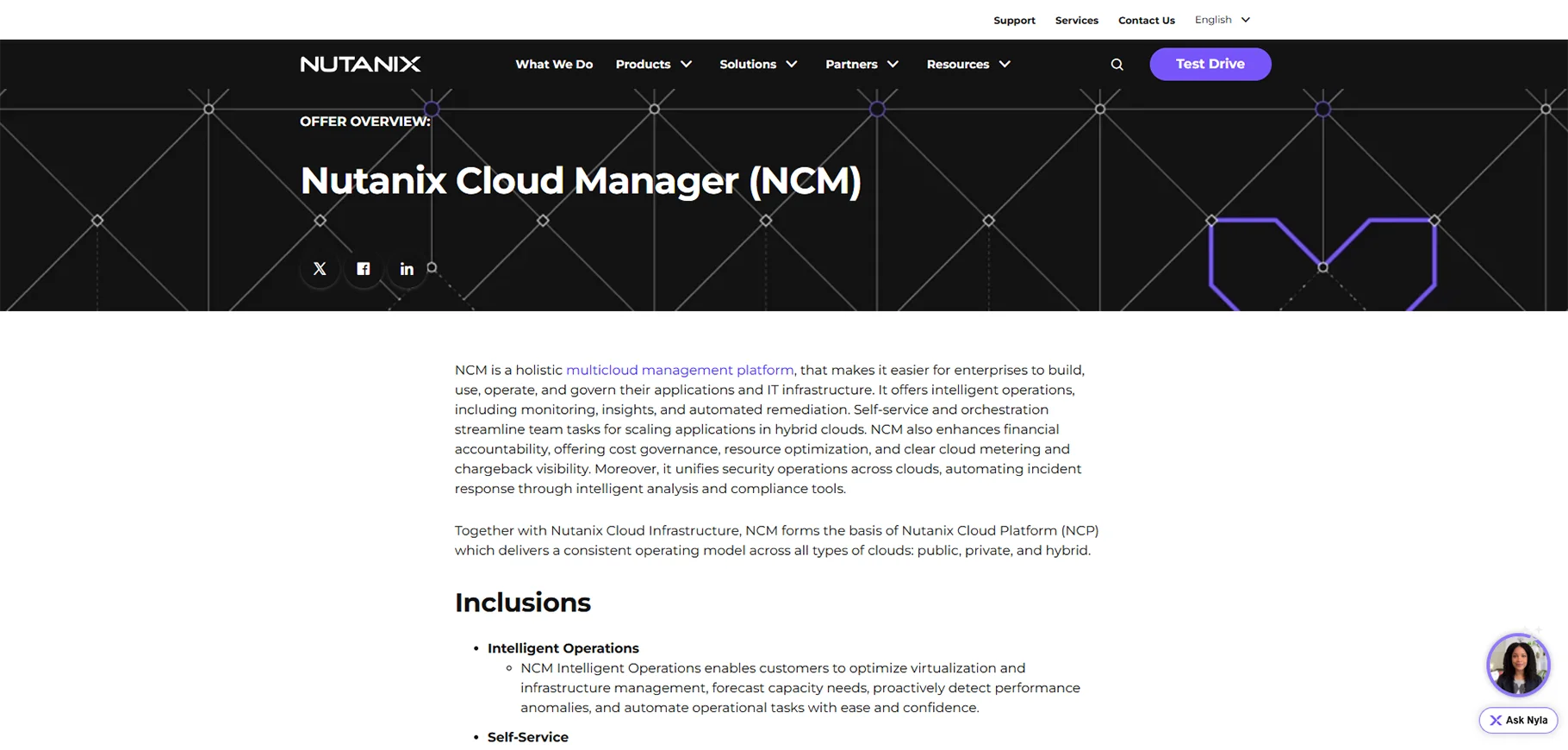
Key Features
- One-click deployment and management of applications
- Automated lifecycle management of applications
- Multi-cloud orchestration
- Built-in disaster recovery and data protection
- Healing infrastructure with predictive analytics
- Unified management for private and public clouds
8. IBM Watson
IBM Watson offers enterprise-grade AI capabilities for cloud management, delivering advanced analytics and automation capabilities for large-scale enterprise deployments.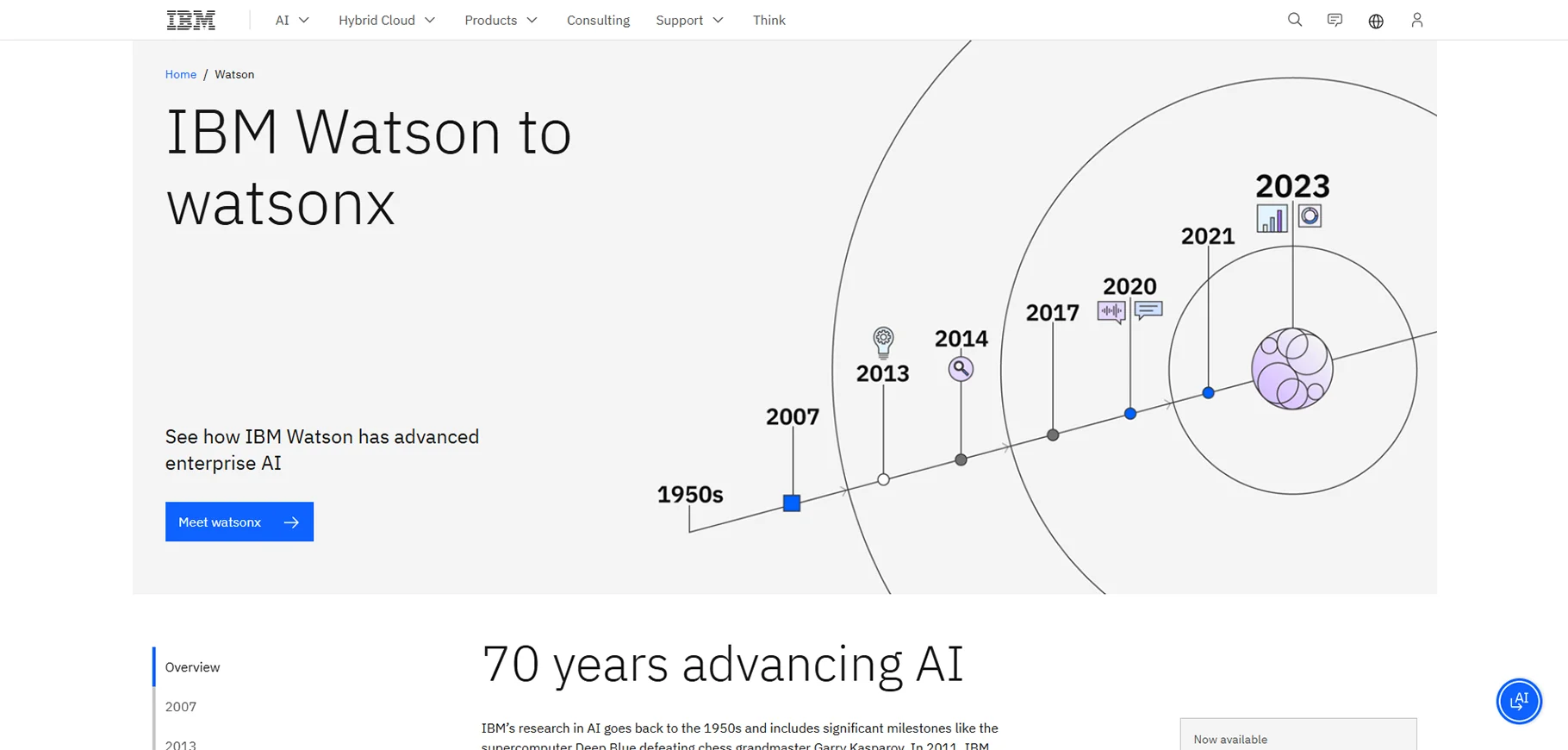
Key features
- Advanced capabilities for AI and Machine Learning
- Natural language processing for intelligent automation
- Predictive analytics for capacity planning and forecasting
- Enterprise-grade security and compliance tools
- Ability to integrate with IBM Cloud and other third-party providers
- Industry-specific solutions and templates
9. HashiCorp Terraform Enterprise
Terraform Enterprise offers infrastructure as code features with enterprise capabilities for policy enforcement, collaboration, and governance among multi-cloud environments.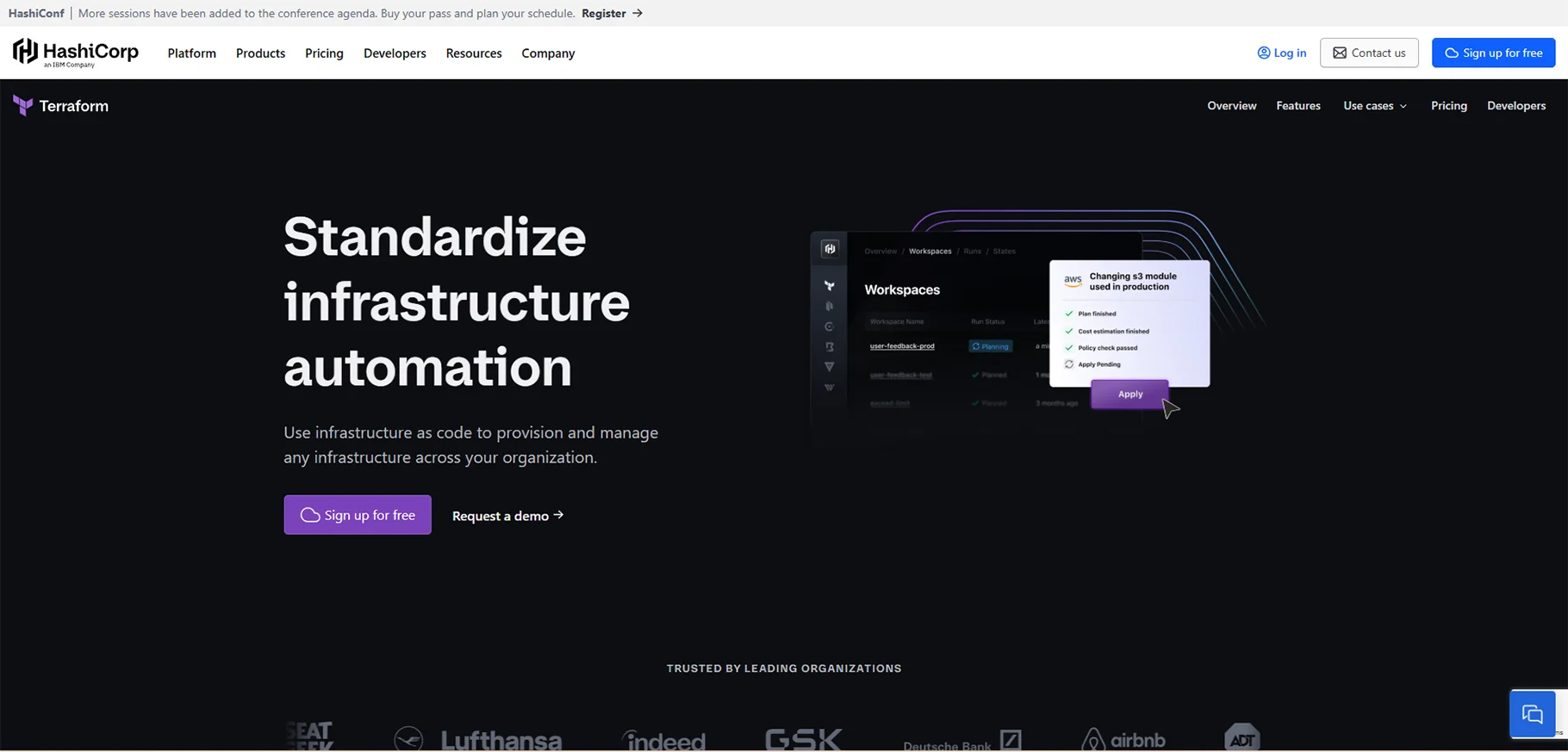
Key Features
- Infrastructure as Code (IaC) with version control
- Policy as code for automated checking of compliance
- Collaborative workflows that include approval processes
- State management and remote executions
- Integration with CI/CD pipelines
- Support for all major cloud providers
10. Cloud Cost Management
"Harness cloud cost management" focuses on not only continuous delivery but also cloud cost optimization, in the form of intelligent automation for both deployment processes and cost management.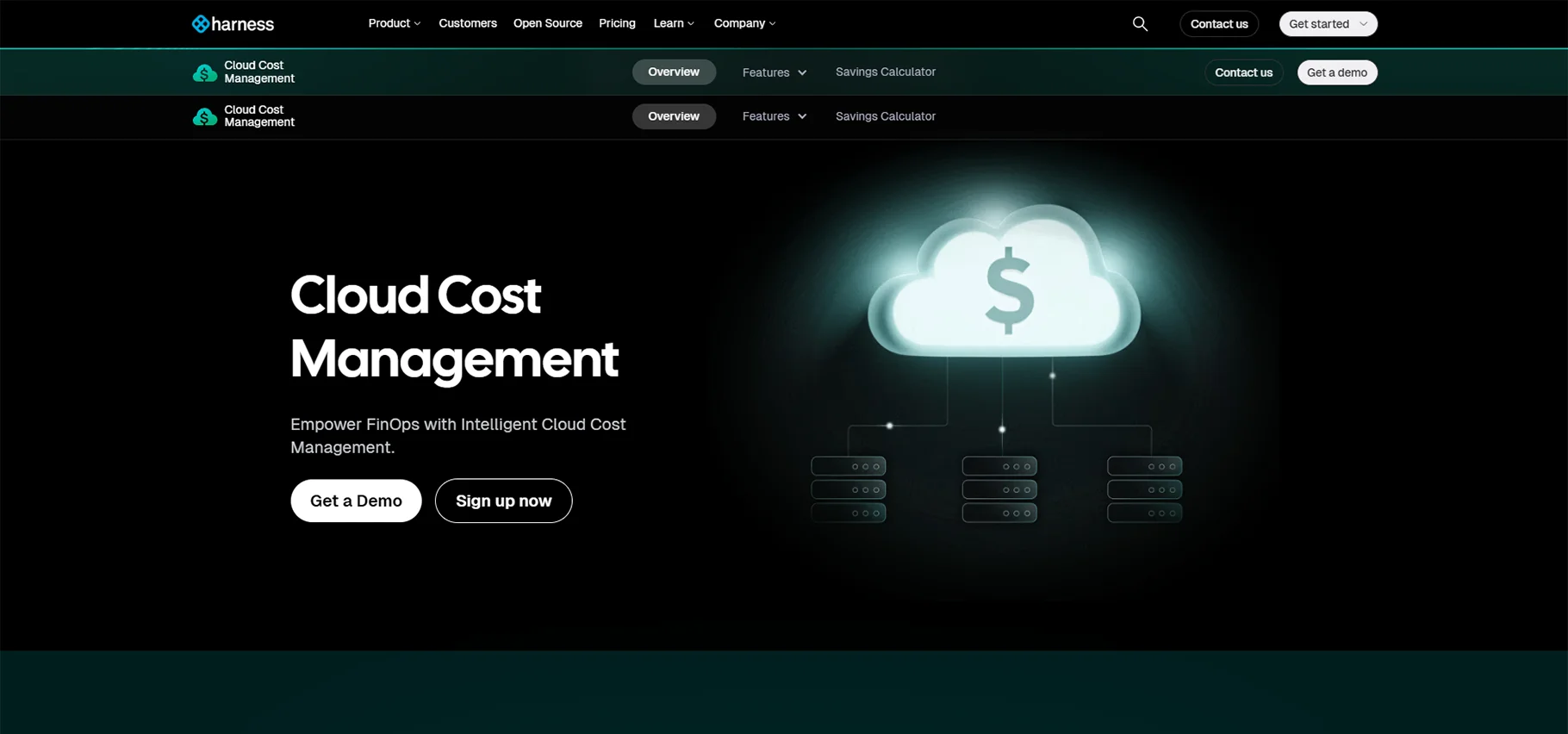
Key Features
- AI cost anomaly detection
- Automated cost optimization recommendations
- Cloud cost forecasting and budgeting
- Multi-cloud cost visibility and distribution
- Integrate into CI/CD pipelines for cost-aware deployments
- Real-time cost monitoring and alerting
11. Morpheus Data
Morpheus Data provides an all-in-one cloud management platform focusing on multi-cloud orchestration, automation, and self-service capabilities. 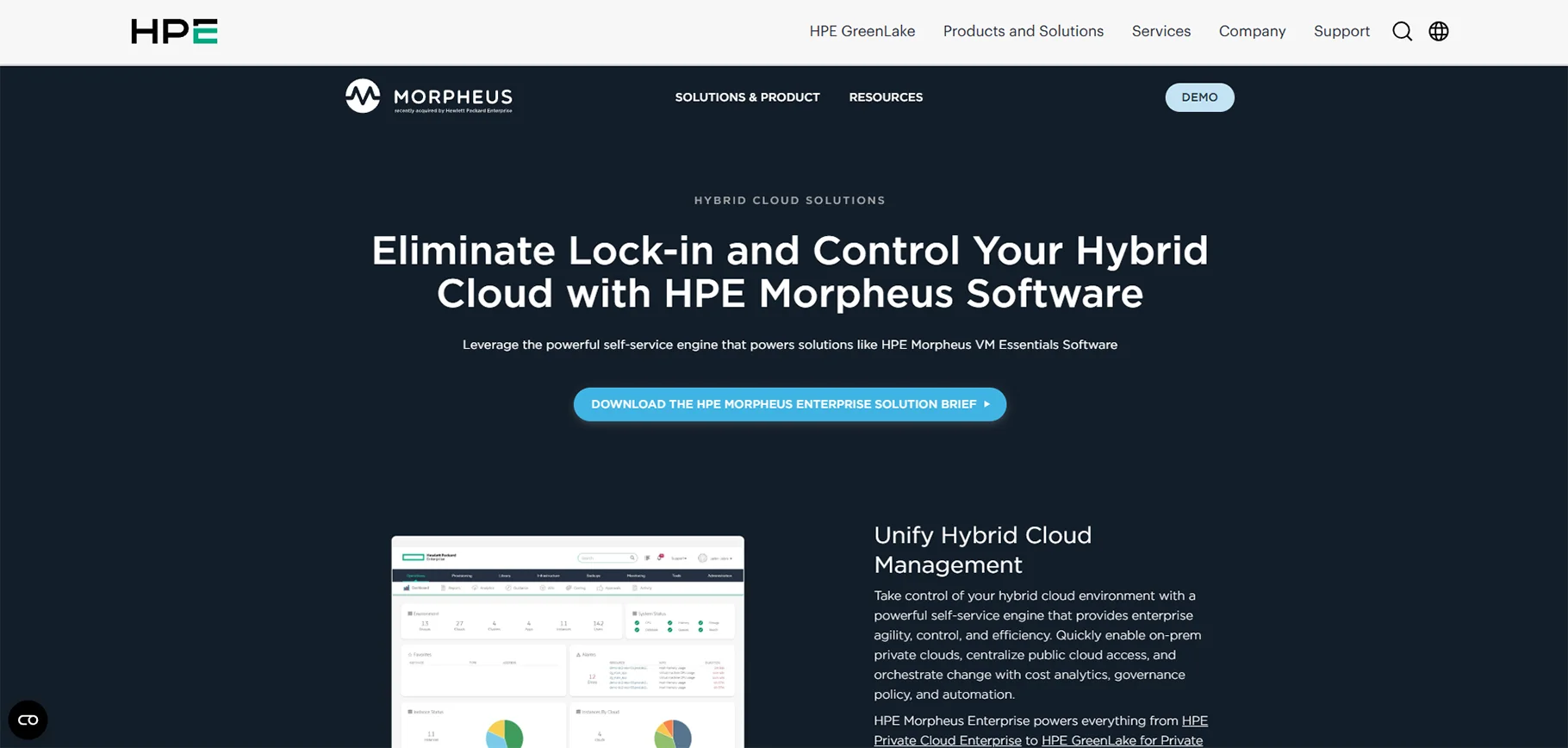
Key Features
- Multi-cloud orchestration and automation
- Self-service provisioning with approval workflows
- Complete cost management and chargeback capabilities
- Application life cycle management
- Security and compliance are built into the solution
- Extensive API's and integrations
12. Spectro Cloud Palette
Spectro Cloud Palette is a Kubernetes management platform for multi-cloud and edge environments, giving enterprises complete cluster lifecycle management.
Key Features
- Cluster lifecycle management
- Multi-cloud and edge deployment
- Application and infrastructure stack management
- Policy-based automation and governance
- Day-2 operations automation
- Integration with popular DevOps tools
13. Apache CloudStack
Apache CloudStack is a free, open-source cloud management solution that enables infrastructure as a service (IaaS) on private and hybrid cloud environments.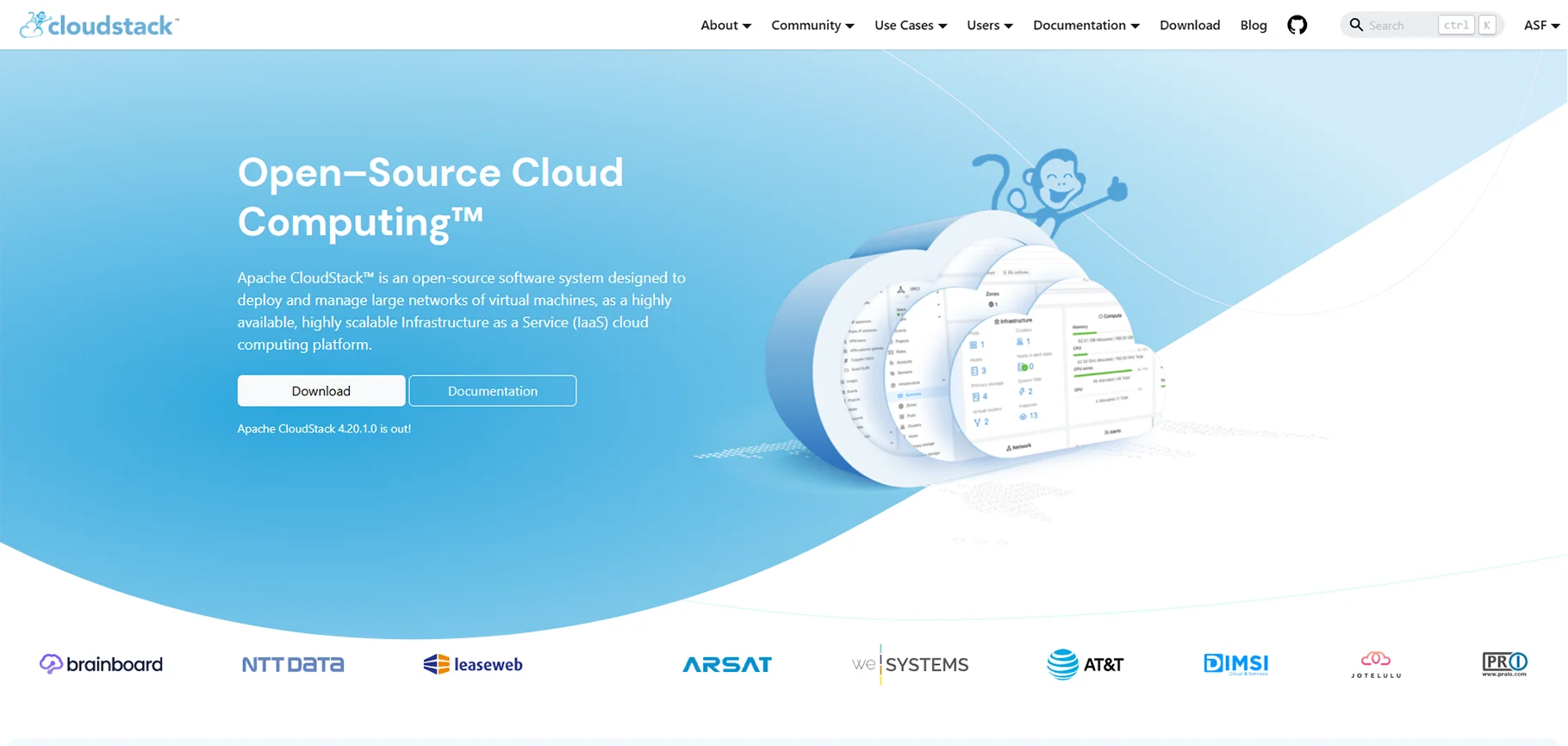
Key Features
- Free, open source, no licensing
- Multiple hypervisors
- Multi-tenancy with role-based access
- API for automation
- Extensive networking and storage management
- Strong community development support
14. BMC Software
BMC Software provides enterprise IT management software solutions that span both on-premise and cloud environments and offer complete service management and automation.
Key Features
- ITSM connections to Cloud management
- Automated provisioning and management of services
- Complete monitoring and analytics
- Multi-cloud support with a single view of visibility
- AI incident resolution and management
- Enterprise security and compliance
15. CloudBolt
CloudBolt manages a full-spectrum cloud management solution emphasizing automation, cost management, and governance provisioned over hybrid and multi-cloud environments.
Key Features
- Self-service provisioning with multi-level approval workflows
- Cost optimization and full-spectrum cloud cost management
- Multi-cloud orchestration and automation
- Security and compliance provisions built in
- Extensive integration options
- Custom dashboards and reporting options
16. Oracle Enterprise Manager
Oracle Enterprise Manager gives you the definitive management capabilities for Oracle's on-premise and cloud infrastructure, fully integrated into Oracle's technology stack.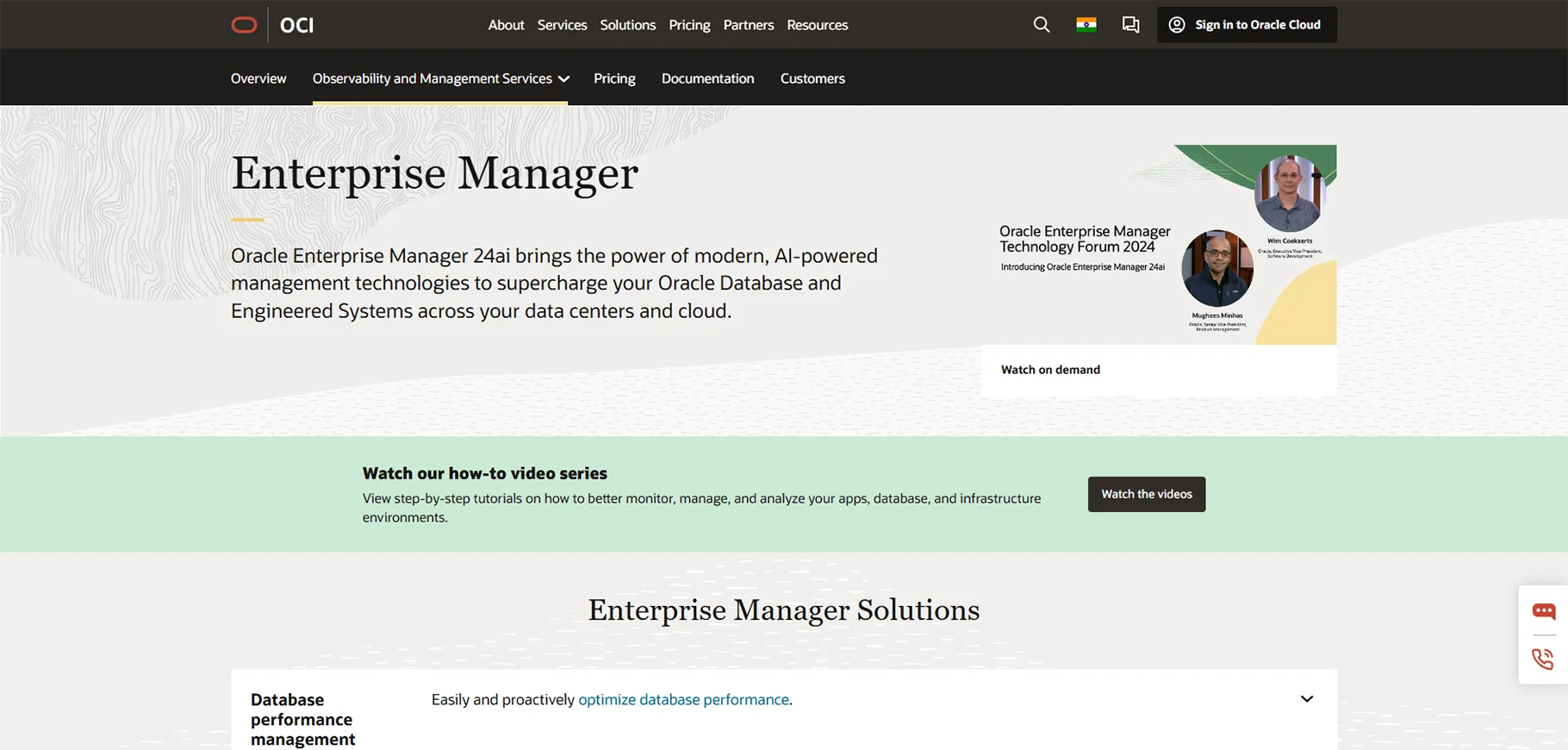
Key Features
- Full stack management for Oracle
- Performance monitoring and tuning
- Automated patching and lifecycle management
- Security and compliance tools
- Database and middleware management
- Integration with Oracle Cloud Infrastructure
17. Salesforce Einstein
Salesforce Einstein provides AI-backed insights about customer relationship management and offers cloud-based business process automation.
Key Features
- AI-supported customer insights and predictions
- Automated lead scoring and opportunity management
- Natural-language processing support for customer interactions,
- Sales and marketing predictive analytics,
- Integration with the Salesforce ecosystem,
- AI solutions specific to industry.
18. SAP Leonardo
SAP Leonardo is an intelligent business process automation and optimization solution by SAP that brings together the power of IoT, machine learning, and analytics.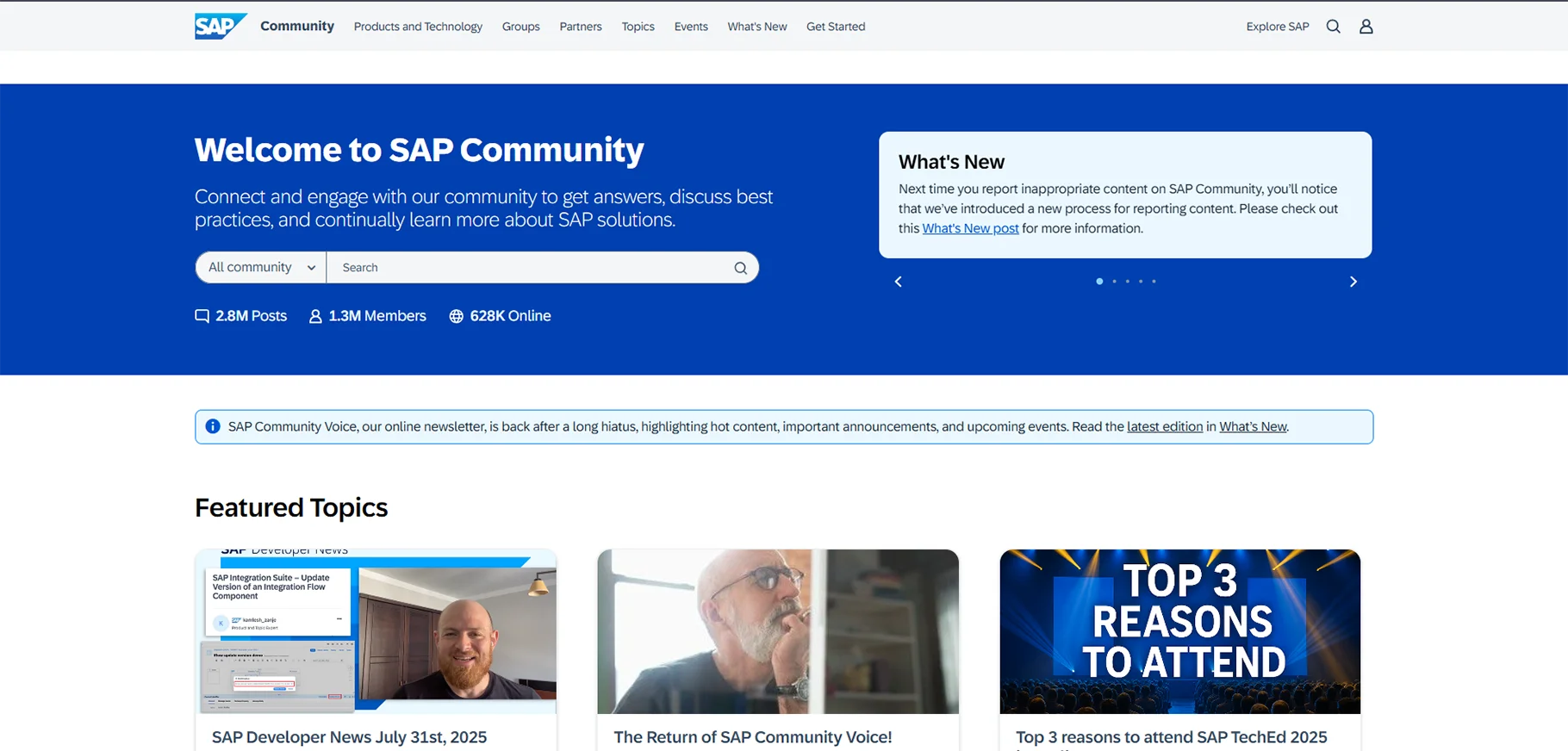
Key Features
- IoT platform designed for device management and analytics
- Machine learning capabilities for business process optimization
- Integration with blockchain capabilities for secure transactions
- Advanced analytics and data visualization
- Integration with SAP business applications
- Industry-specific capabilities and accelerators
19. Alibaba Cloud AI
Alibaba Cloud features end-to-end AI and machine learning services included in cloud computing, focused on dominance in the Asia-Pacific region.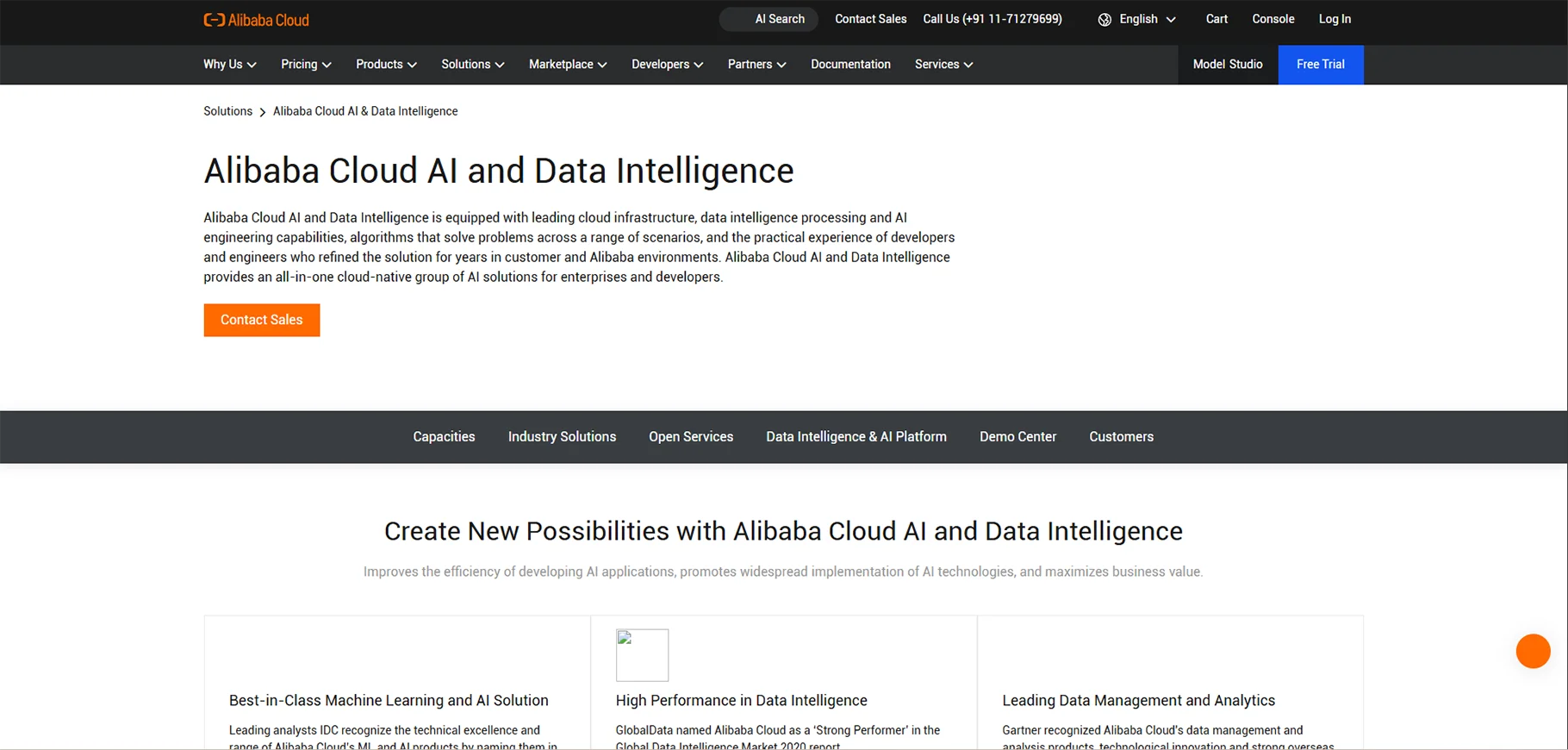
Key Features
- Machine learning platform with out-of-the-box models
- Computer vision and natural language processing
- Big data analytics and processing
- Integration with the many Alibaba Cloud offerings
- Global content delivery network
- Strong footprint in Asian markets
20. Microsoft Azure AI
Microsoft Azure AI has a full set of artificial intelligence services, as part of its broader Azure ecosystem, that includes pre-built systematic and customized artificial intelligence systems.
Key Features
- Cognitive Services for ready to use artificial intelligence services
- Azure Machine Learning for custom model development
- Bot Framework for conversational AI
- Microsoft productivity tool integration
- Comprehensive data platform integration
- Enterprise security and compliance
Conclusion
As the AI-enabled cloud business management ecosystem continues to evolve rapidly - including the ever-growing cloud adoption rate and complexities developed from multi-clouds - it is up to organizations to evaluate their specific requirements before determining the right platform for their organization. When evaluating the platforms above, organizations will need to keep in mind their own specific needs based on what technology they are currently using; their budget; their technical expertise and skills, and their longer-term strategy.
The platforms included in this comprehensive overview contain the key players within the space, each with their own unique strengths and capabilities. From Google's AI-first lens to AWS's depth of ecosystem integration, specialist cost-optimising tools like CloudHealth, to enterprise-grade options like IBM Watson, there are options for all organizational needs and budgets.
Cloud management is not solely reliant on the cloud management software chosen by organizations; there must also be an investment in solid implementation, staff training, and future ongoing optimization. As AI capabilities continue to evolve, these platforms will only become increasingly intelligent and autonomous, thus freeing up IT workloads while simultaneously improving efficiency and cost savings.
FAQs
1. What's the distinction between cloud management platforms and cloud monitoring tools?
Cloud management platforms provide end-to-end cloud resource management capabilities, including provisioning, scaling, and optimization, while monitoring tools focus on observability and performance tracking.
2. Can these cloud management platforms manage multi-cloud environments?
Most cloud management platforms exist today that allow for this capability, so most organizations would find it easy to manage resources across AWS, Azure, Google Cloud, and others, all from one interface.
3. How can these platforms' AI aspects help us cut costs?
Automated rightsizing, predictive scaling, your consumption patterns, and smart resource optimization can often yield monthly cost cuts of 20%-30%.
4. If I pursue an open-source cloud management platform, will it be an enterprise version that can be used by large organizations?
A cloud management platform that is open-source, like Apache CloudStack, may be applicable to an enterprise but will require the expertise, resources, and time to customize, maintain, and support.
5. What security aspects need to be examined when selecting a cloud management platform?
This can depend on your organization, but general areas to look at are: encryption, access control, compliance certifications, audit trails, and how the management platform integrates with your already-utilized or preferred security tools and processes.