
Table Of Contents
How to Choose the Best AI ADAS Camera System for Your Fleet
Published on : Aug 30 2024

With the rapid advancements in automotive innovation, particularly in artificial intelligence (AI) and sensor technology, fleet managers are now equipped with an array of sophisticated tools to enhance safety and efficiency. One of the most transformative technologies that has emerged is the AI-based Advanced Driver Assistance Systems (ADAS) camera system. These systems are designed to provide real-time assistance to drivers, helping to prevent accidents and improve overall fleet performance.
But with so many options available, how do you choose the best AI ADAS camera system for your fleet? In this article, we'll guide you through the essential features to consider and how to make an informed decision that aligns with your fleet's needs.
Understanding AI ADAS Camera Systems
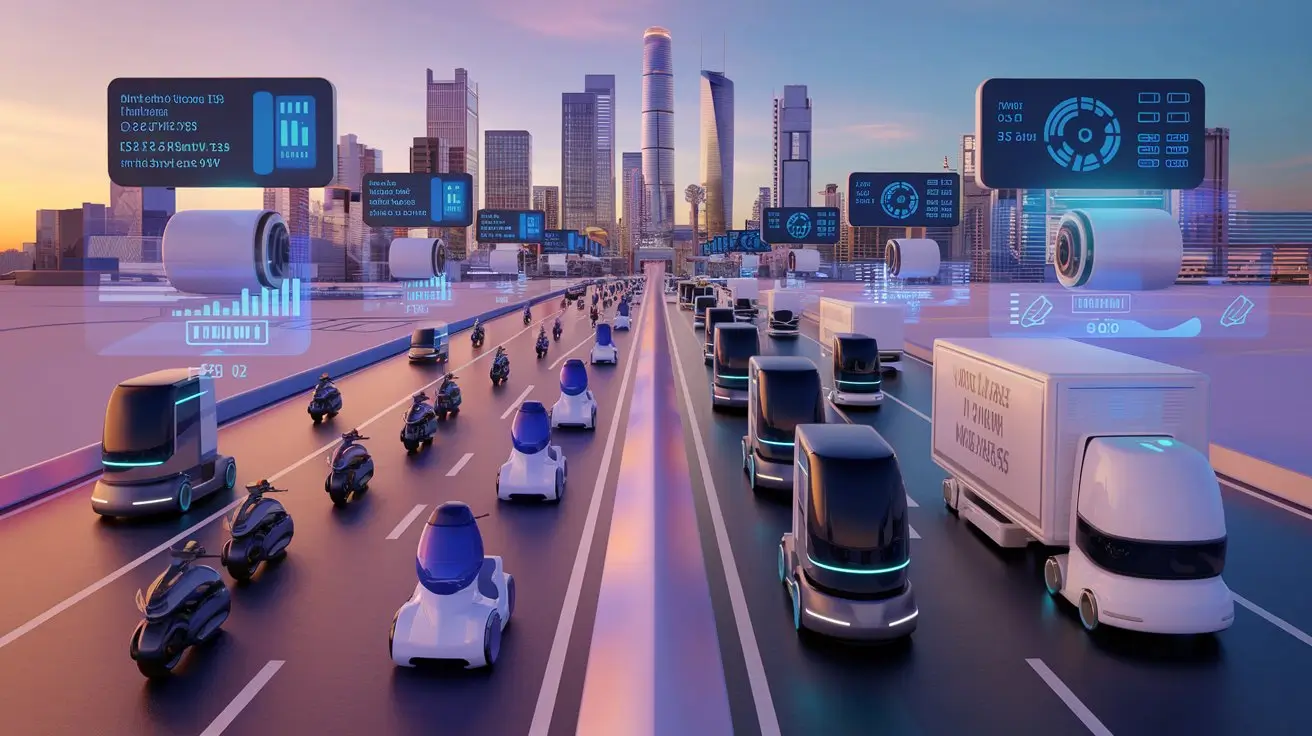
Before diving into the selection process, let's define what an AI ADAS camera system is and how it functions.
What Is an AI ADAS Camera System?
An AI ADAS camera system is a combination of cameras, sensors, and artificial intelligence that work together to monitor the road and provide real-time feedback to drivers. These systems can detect a wide range of potential hazards, from lane departures to forward collisions, and even identify signs of driver fatigue.
How Does It Work?
AI ADAS camera systems use sophisticated algorithms to analyze visual data captured by the cameras. They can recognize patterns, interpret scenes, and anticipate potential risks on the road. When a threat is detected, the system alerts the driver with visual or auditory warnings, allowing them to take corrective action.
Key Features to Consider
When choosing the best AI ADAS camera system for your fleet, there are several features you should consider to ensure you're getting a system that meets your specific needs.
Camera Quality and Field of View
The camera quality is crucial for capturing clear, actionable footage. Look for systems with high-resolution cameras that can perform well under various lighting conditions. Additionally, a wide field of view ensures that the camera captures as much of the road as possible, providing a comprehensive perspective.
Real-Time Alerts and Feedback
The effectiveness of an AI ADAS camera system relies on its ability to deliver real-time alerts to drivers. Ensure that the system you choose provides prompt and accurate feedback to help drivers respond to potential hazards quickly.
Data Analysis and Reporting
A valuable aspect of AI ADAS camera systems is their ability to collect and analyze data. This data can be used to identify trends, assess risk, and make informed decisions to improve fleet safety and efficiency. Look for systems with robust reporting capabilities that allow for easy access and interpretation of data.
Integration with Fleet Management Systems
Integration with existing fleet management systems can streamline operations and enhance the utility of your AI ADAS camera system. Choose a system that can easily integrate with your current technology stack, allowing for seamless data sharing and analysis.
Durability and Reliability
Fleet cameras are exposed to a wide range of environmental conditions. It's essential to select a system that is built to withstand the rigors of daily use, including resistance to vibration, temperature extremes, and moisture.
Scalability
As your fleet grows, your AI ADAS camera system should be able to grow with it. Consider systems that offer scalability, allowing you to add more cameras or upgrade features as needed without significant overhauls.
Evaluating Your Fleet's Needs
Understanding your fleet's specific requirements will help you narrow down your choices and select the best AI ADAS camera system.
Assessing Fleet Size and Vehicle Types
The size of your fleet and the types of vehicles it comprises will influence the kind of system you need. Larger fleets may benefit from more sophisticated systems with extensive data analysis capabilities, while smaller fleets might prioritize ease of use and affordability.
Considering Driver Behavior and Training
An AI ADAS camera system can also serve as a tool for driver training and behavior monitoring. Consider systems that offer coaching features or the ability to review footage with drivers to reinforce safe driving practices.
Identifying Key Safety Concerns
Identify the primary safety concerns for your fleet, such as frequent lane departures or close following distances. Choose a system that excels in detecting and alerting drivers to these specific issues.
Budget and ROI Considerations
While the upfront cost of an AI ADAS camera system is an important factor, it's also essential to consider the return on investment (ROI). A system that reduces accidents and improves driver performance can lead to significant savings in the long run.
Analyzing the Total Cost of Ownership
Don't just look at the purchase price; consider the total cost of ownership, including installation, maintenance, and potential savings from reduced accidents and insurance premiums.
Estimating Potential Savings
Estimate the potential savings from implementing an AI ADAS camera system. Reductions in accident rates, improved fuel efficiency, and lower maintenance costs can all contribute to a positive ROI.
Vendor Selection and Support
Researching Vendors and Product Reviews
Take the time to research vendors and read product reviews from other fleet managers. Look for vendors with a strong track record of reliability and customer support.
Considering Warranty and Support Services
A robust warranty and responsive support services are indicators of a vendor's commitment to their product. Ensure that you'll have access to technical assistance and timely repairs if needed.
Final Thoughts
Choosing the best AI ADAS camera system for your fleet is a significant decision that requires careful consideration of your fleet's unique needs, budget constraints, and safety goals. By focusing on camera quality, real-time alerts, data analysis, integration capabilities, and scalability, you can select a system that enhances the safety and efficiency of your operations.
Remember that the ultimate goal of an AI ADAS camera system is to support your drivers and reduce the likelihood of accidents. With the right system in place, you can create a safer driving environment, protect your assets, and contribute to the overall success of your fleet.
Consider this guide as a starting point in your journey toward adopting the latest in AI camera fleet safety technology, and take a proactive step towards automotive innovation and enhanced protection on the road.