
Table Of Contents
The Impact of AI and Automation on E-commerce Logistics
Published on : Nov 04 2024

In recent years, the integration of AI and automation has transformed various industries. These advanced technologies have changed how businesses operate and compete in the market, from manufacturing to healthcare. One sector experiencing significant benefits from this technology boom is e-commerce logistics.
E-commerce is becoming the foundation of the global economy, with millions of transactions daily. The logistics behind these transactions are important for timely deliveries, keeping demanding customers satisfied and managing supply chains that support online retail operations. With that growing demand, integrating AI and automation solutions becomes unavoidable.
Leveraging AI-driven solutions and automated systems, streamlining inventory management, and enhancing shipping and delivery processes can optimize your warehousing operations. These technologies improve operational efficiency and give you a competitive edge in a market where customer expectations are continually rising.
Enhancing Efficiency in Warehousing Operations
Imagine your e-commerce warehouse where everything runs like clockwork. The shelves are always stocked, orders are processed fast, and there are just a few errors on your way. Until recently, this was a far-off dream, but today, with AI-driven solutions, this perfectionist’s dream is a reality.
AI transformed traditional warehousing into a powerhouse of efficiency. With lots of data circling around, it’s the perfect opportunity for AI apps to shine and bring order. With AI-driven warehouse management systems, you can streamline every aspect of your operations. Whether it’s predicting demand or optimizing stock levels, AI takes all the guesswork out of your equation.
Take Amazon, for example. Their teams use AI-powered systems to manage inventory, forecast demand, and optimize their picking process. They also use data from different sources, including past sales and seasonal trends, to keep everything they need in stock.
The Benefits of AI in Warehousing
- Speed: With AI managing your inventory, process management is faster. The system ensures that the products your customer wants are available and ready to ship.
- Accuracy: There is no blaming game with AI because there are fewer mistakes. AI automates tasks such as inventory counts and order picking. This means fewer returns and happier customers.
- Cost savings: When you have optimal stock levels and fewer mistakes, you also cut operational costs. This means you’ll spend less on emergency stock replenishments and also avoid overstocking.
- Scalability: As your business grows, your solutions should follow the same path. AI needs to handle increased data and other volumes without missing a beat.
Streamlining Inventory Management
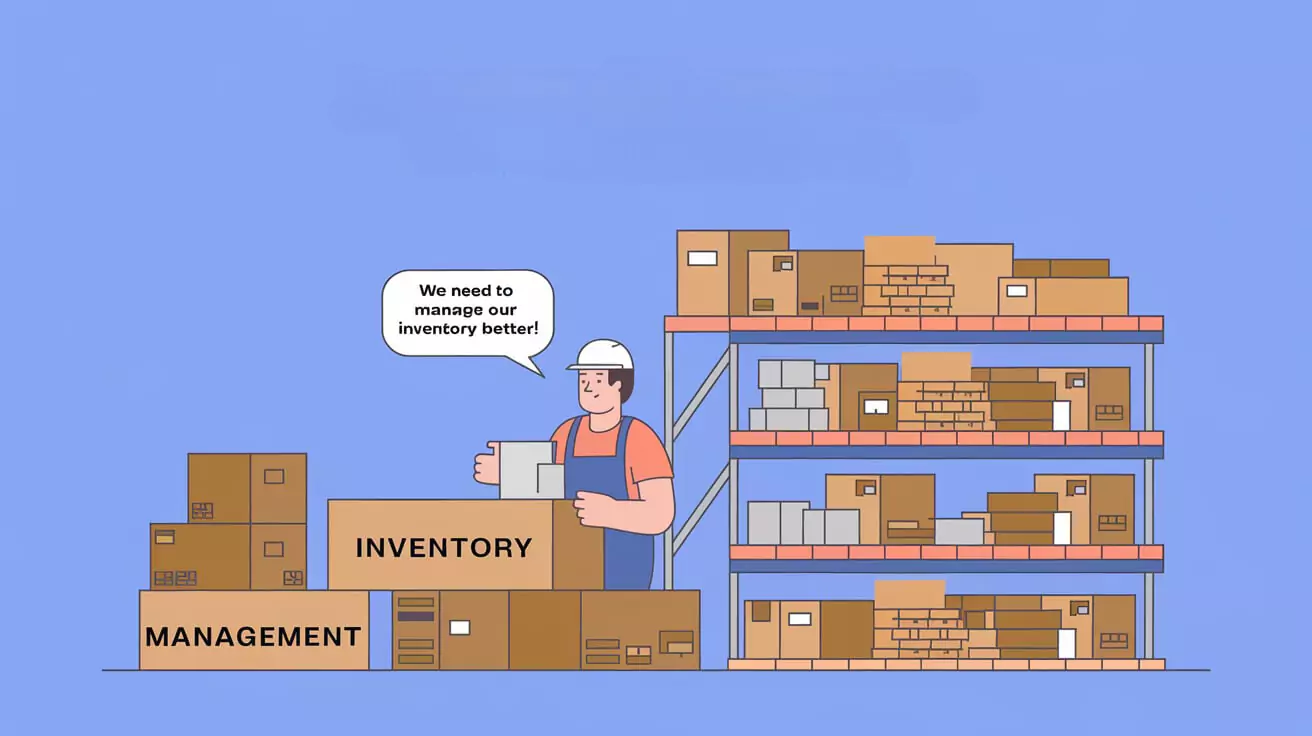
Moving on to AI in inventory management because it’s one of the most demanding aspects of e-commerce logistics. This management often feels like a juggling act, and one misstep can lead you to either overstock or stockouts.
Again, AI uses all the data to create predictive analytics.
AI can accurately forecast future demands by analyzing historical sales data, seasonal trends, and even external factors like social media buzz. Imagine if AI could use the data from tracking your social media channels and monitoring the influencers you work with. Then, the same AI would use the influencer performance tracking data to stock your inventory based on the success of the promotional campaigns. This way, your e-commerce business, with the help of AI, would be one step ahead and always ready for customer requests.
So, in a nutshell, the AI will manage real-time inventory tracking, identify trends as they happen, and pair it with automated restocking.
That’s how Zara, the retailer, uses AI to predict trends and manage inventory. Their AI system analyzes sales data and social media trends to determine which styles will be popular. This allows Zara to produce and stock items that are more likely to sell, significantly reducing overstock and avoiding stockouts.
But if full integration of AI solutions feels overwhelming, start gradually. Use interactive walkthrough software to explore how AI would interact with your existing systems. This type of software allows you to simulate the AI-driven processes in a test environment, offering you a step-by-step guide to understand the new system’s functionality and address any challenges before full implementation. An interactive walkthrough lets your team get comfortable with the system’s interface and understand how it’ll work in their daily routines all without the pressure of a full rollout immediately. It’s a low-commitment way to see if the setup really fits your workflow and operational goals.
Optimizing Shipping and Delivery
Once you implement AI to manage your warehouse and inventory, it’s time to use it for shipping and delivery, as these are crucial components of your e-commerce operations. With AI and automation, you can optimize these processes and ensure faster delivery times and higher customer satisfaction.
Here are a couple of ways AI can benefit your e-commerce shipping and delivery processes:
Automated Routing and Dispatch Software
Automated routing and reliable dispatch software can improve your delivery efficiency. These systems use AI algorithms to calculate the most efficient delivery vehicle routes, considering factors like traffic patterns, weather conditions, and delivery windows.
Optimizing routes based on real-time data can significantly reduce delivery times, fuel consumption, and operational costs. This means your customers will receive orders faster, and you will maintain a greener and more economical operation.
Choosing an Economically Viable Shipping Carrier
When your e-commerce business is dealing with multiple last-mile carriers, choosing the most economically viable one can be challenging. AI-driven platforms can help you analyze various carrier rates, delivery times, and reliability metrics. This filtered approach will make deciding and choosing the suitable carrier easier.
Autonomous Delivery Vehicles and Drones
Autonomous delivery vehicles and drones are no longer a concept from a future sci-fi movie, they are the reality. Companies like Amazon and UPS are already testing and deploying these technologies to boost delivery.
The beauty of autonomous vehicles is that they need little human intervention and can work 24/7. This tireless machine reduces labor costs and increases delivery speed. On the other hand, drones offer a quick solution for small package deliveries. They are especially useful in urban areas where there are many traffic jams and delivery delays.
Managing Cross-Border Logistics Complexities
E-commerce cross-border logistics are far more challenging than local deliveries. They include customs clearance, regulatory compliance, and varying delivery standards. AI can effectively manage those complexities by providing real-time data and predictive analytics.
For example, AI can help you pass customs by predicting delays and suggesting alternative routes or document requirements. In addition, you can use the same AI-driven platforms to track and manage international shipments. By using a QR code maker you can easily generate and add unique QR codes to your packages and create a unified tracking system. The QR code generated will help your AI systems monitor shipments in real-time across different countries and carriers. If you're also refreshing your packaging for international markets, an AI logo can help you keep your branding consistent across every region you ship to.
Project Management in AI-Driven Logistics
Project management and AI and automation implementation in e-commerce logistics go hand in hand.
Project management provides structure and direction and ensures that every aspect of the project is carefully planned, monitored, and executed. It also avoids delays, cost overruns, and suboptimal performance of the new systems. Thus, effective project management will help ensure that the implementation is on time, within budget, and meets the objectives.
Tools and Strategies for Managing Large-Scale Logistics Projects
Good project management depends on reliable tools and strategies. Here are a couple of examples:
1. Gantt charts
Gantt charts are your visual timeline for the project. They help you track progress, identify dependencies, and ensure all tasks are completed on time. With well-crafted Gantt charts, you can break down the project into manageable tasks and assign deadlines, giving you a clear, real-time overview of the project's status. Take DHL as an inspiring example. They implemented a rigorous project management framework and used Gantt charts to plan and execute the implementation of AI-driven route optimization. DHL enhanced delivery efficiency and reduced operational costs by breaking the project into sprints and continuously refining its approach based on real-time feedback.
2. Agile methodology
Agile methodology focuses on flexibility and progress in small steps, which is perfect for handling complex e-commerce logistics projects. Instead of trying to complete the entire project simultaneously, you break it into manageable parts called sprints. Each sprint deals with and delivers a small part of the project so you can see the progress and make adjustments as needed. This method promotes constant feedback, communication, and teamwork so you can be sure the project stays on track and meets the expectations of all stakeholders.
3. Project management software
AI systems work better with collaboration tools because people on your team need to share real-time updates, streamline task management, and resolve any issues with dependable collaboration software. So, combining human collaboration skills, project management, and AI-powered systems will create perfect synergy and enhance the efficiency of your large-scale e-commerce logistics projects.
Enhancing Customer Experience
Improving customer experience is at the heart of successful e-commerce, and AI plays a significant role in making this happen. Implementing AI-powered solutions can greatly enhance both the B2C and B2B CX in e-commerce platforms.
Personalization
Today, 81% of customers want personalized experiences, and they want a salesperson who knows precisely what they like and can suggest items that perfectly match their preferences. AI brings that level of personalization to online shopping. By analyzing browsing history, past purchases, and even social media activity, AI recommends products tailored just for them.
In addition to personalization, AI is also changing pricing strategies. Through dynamic pricing, AI adjusts prices in real-time based on demand, competition, and other factors. This means your online business can remain competitive and maximize sales simultaneously.
Automated Customer Service
Handling customer inquiries and complaints can be challenging, but AI makes it much easier with automated tools like chatbots.
The chatbots are available all day, every day, and can quickly answer questions, provide information, and even resolve issues. For example, if your customer has a question about your order status or needs help with a return, a chatbot can assist them without waiting for a human representative.
Additionally, you can automatically post updates to your social media, such as Instagram or Facebook, and inform your followers about any significant changes. Integrating a Facebook post generator can help your business maintain active social media communication. The AI caption generator will provide enough updates to keep your customers happy and free up human agents to handle more complex issues.
AI-Enhanced Tracking Systems
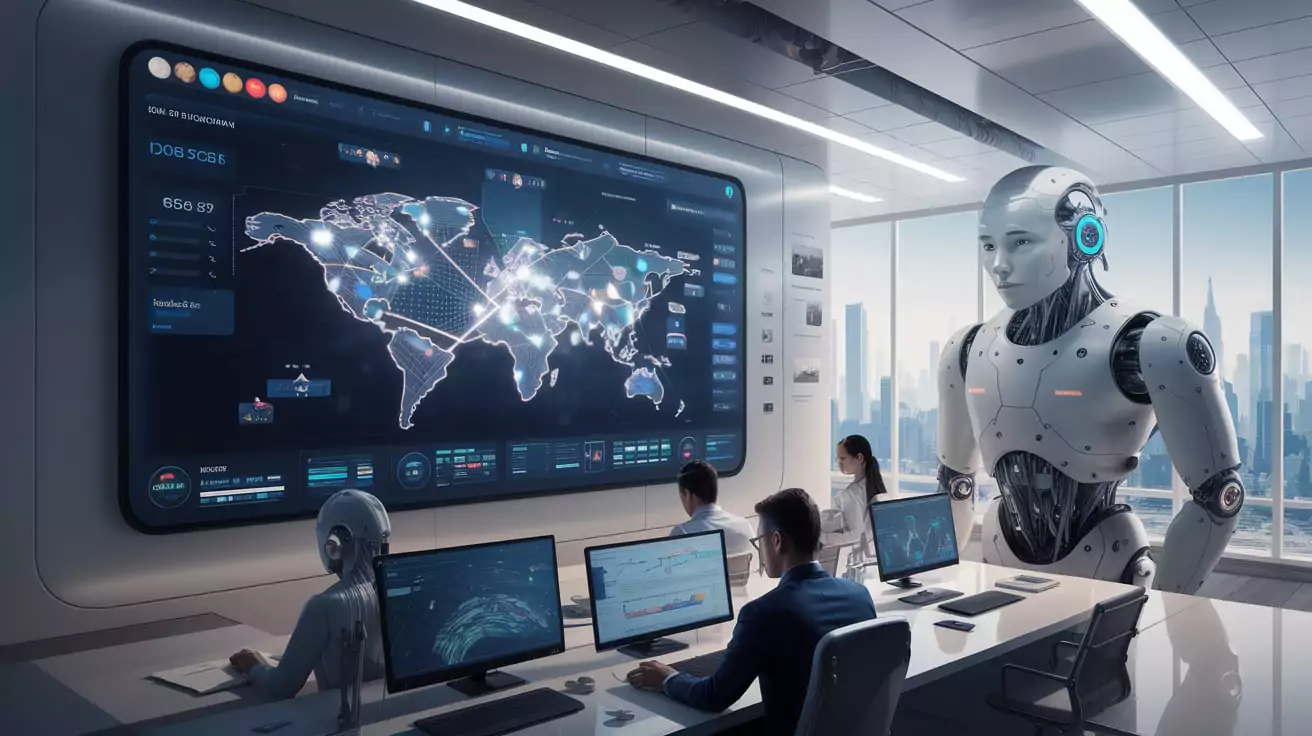
If you want your customers to have a positive shopping experience, you need to provide them with all the relevant delivery details. AI-enhanced tracking systems can help by providing real-time updates on order status.
For example, if there is a delay because of weather or other unforeseen circumstances, the system will automatically update your customers with the new expected delivery time. This level of transparency builds trust and loyalty between your e-commerce business and your customers.
Challenges and Considerations
Integrating AI and automation into e-commerce logistics offers many benefits, but you can also expect some challenges. Understanding these challenges and how to address them is crucial for successful implementation.
Addressing the Challenges of Integrating AI and Automation
Cost
Implementing AI and automation technologies can be expensive. The initial investment includes the cost of the technology itself, as well as expenses related to maintenance and training. You need to assess the ROI and plan your budget accordingly to ensure you can sustain the technology in the long run.
Workforce Adaptation
Many employees are still concerned about the introduction of AI. They might feel threatened and fear for their job security. So, you have to approach this transition with a focus on workforce adaptation. Provide training programs and communicate clearly the benefits of working with technology.
Effective workforce adaptation also ensures your team members can handle the new changes. You can achieve this by balancing your resources. AI is there to help your people get the job done more efficiently, whether it's automating repetitive tasks or simplifying administrative duties like managing employee timesheets.
Technical Hurdles
Implementing advanced technology will always involve technical challenges. These can include compatibility issues with existing systems, data integration problems, and the need for ongoing technical support. You should be prepared to invest in technical expertise and infrastructure to support and overcome all the bumps on the road.
Ethical and Privacy Concerns with Data-Driven Logistics
AI uses a lot of data in e-commerce logistics, and ethical and privacy concerns are sure to follow this trend. Considering how these systems rely on information to function, it raises concerns about how this data is collected, stored, and used. You have to ensure the system complies with data protection regulations and always focus on transparency with your customers.
In addition, the ethical considerations around AI decision-making processes are crucial. Ensure the AI algorithms are unbiased and don’t discriminate against certain groups. To avoid this pitfall, you should regularly audit and monitor your AI processes.
Future Outlook and Regulation Revolution
The future of AI and automation in logistics looks promising, with rapid advancements and high adaptation rates. As technology evolves, we can expect more sophisticated AI solutions that are ready to tackle complex e-commerce logistics challenges.
On the other hand, AI regulation will continue to develop in response to advancements. Governments and regulatory bodies will likely introduce new standards and guidelines to ensure AI is used ethically and protect customers' data.
In the coming years, we can expect a greater focus on sustainable e-commerce logistics practices and environmentally friendly solutions. AI can play an important role here by optimizing routes, reducing fuel consumption, and improving overall supply chain efficiency.
Conclusion
Integrating AI and automation into e-commerce logistics offers transformative benefits that significantly enhance operational efficiency and customer satisfaction. From streamlining warehousing operations and optimizing inventory management to improving shipping and delivery processes, AI-driven solutions are revolutionizing how businesses manage logistics.
By leveraging AI, you can process orders faster, reduce errors, cut operational costs, and scale your operations seamlessly as your business grows. Automated systems can predict demand, manage inventory in real-time, and provide accurate delivery updates, ensuring that your customers receive their orders on time and with full transparency.
As the global market becomes increasingly competitive, embracing AI and automation becomes necessary. These technologies provide a competitive edge by enabling businesses to meet and exceed customer expectations, reduce costs, and operate sustainably. The future of e-commerce logistics lies in adopting these advanced technologies, and those who invest in them today will be well-positioned to lead the market tomorrow.
FAQs
Why is AI becoming important in e-commerce logistics?
Online stores handle millions of orders every day. AI helps manage all these orders by predicting demand, tracking stock, and making deliveries faster. This makes customers happy and saves money too.
How does AI improve warehouse work?
AI looks at past sales data and trends to guess what products will be needed. It helps keep shelves stocked, speeds up order picking, and reduces mistakes. Amazon uses AI in this way to run its warehouses smoothly.
What are the benefits of using AI for inventory management?
AI tracks stock in real time and restocks items automatically. It also studies sales patterns and social media trends to know what will sell well. This helps avoid having too much or too little stock. Zara uses this method to plan its inventory.
How does AI make shipping and delivery better?
AI looks at traffic, weather, and delivery time windows to find the best delivery routes. This saves fuel, cuts delivery time, and lowers costs for the business.
What role do drones and self-driving vehicles play in delivery?
These machines can work all day and night without needing much help from people. Drones are useful for delivering small packages quickly, especially in busy city areas with heavy traffic.
How does AI help with shipping across different countries?
AI can predict delays at customs and suggest other routes or paperwork needed. It also helps track packages using QR codes, so businesses can follow shipments across different countries and delivery companies.
Why is planning important when adding AI to a business?
Good planning tools like Gantt charts and Agile methods help break big projects into small steps. This keeps the work on time and within budget. DHL used this method to add AI-based route planning to its delivery system.
How does AI make shopping better for customers?
AI suggests products based on what customers like, changes prices based on demand, and uses chatbots to answer questions anytime. It also sends real-time delivery updates so customers always know where their order is.
What problems can come up when using AI in a business?
Some common problems are high cost, workers worrying about job safety, and technical issues when connecting AI to old systems. Data privacy is another concern that needs careful attention.
What does the future look like for AI in e-commerce logistics?
In the coming years, AI will become smarter and more useful. Businesses will also focus more on eco-friendly delivery methods, and governments will create rules to keep AI use fair and safe.