
Table Of Contents
Integrating AI with Omni-Channel Marketing Strategies
Published on : Oct 30 2024

Imagine a world where your customers glide effortlessly from your website to your mobile app, then hop over to your social media pages, all while experiencing a perfectly unified brand journey. Sounds like a marketer's dream, right? Well, with the introduction of AI tools, this dream is now a reality.
Read on to discover how leading brands are harnessing AI to amplify their omnichannel marketing strategies, achieving laser-focused audience segmentation, hyper-personalized customer experiences, and unprecedented optimization of online purchasing processes.
What is Omni-Channel Marketing?
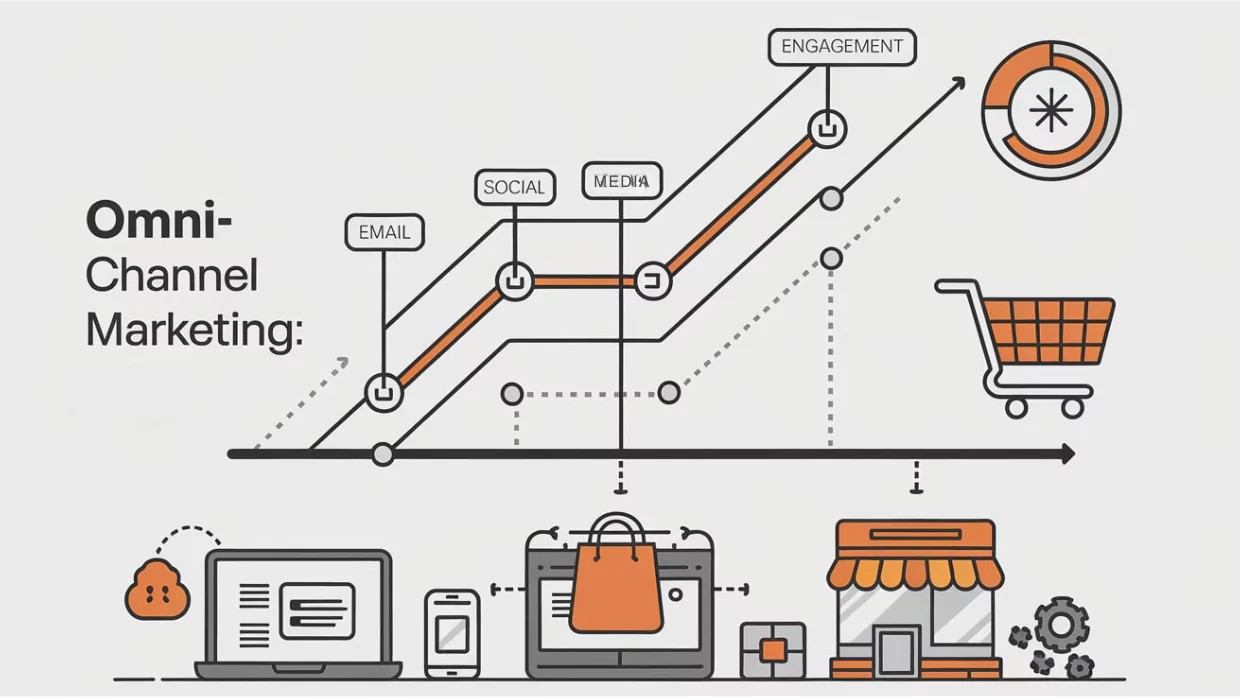
Before we get into the AI magic, let's decode the omni-channel experience. In a nutshell, omni-channel marketing is all about creating a unified, cohesive customer experience across all channels. Whether your customer is shopping online from a desktop, browsing on a mobile device, calling your customer service, or visiting your physical store, the experience should be seamless and consistent.
Now, don't confuse omni-channel with multi-channel. While both involve multiple platforms, the depth of integration sets them apart. Multi-channel marketing uses various platforms independently, often leading to disjointed messaging and customer experiences. Omni-channel marketing, on the other hand, integrates all channels, providing a fluid and consistent customer journey.
Why Integrate with AI?
Alright, we know omni-channel marketing is essential. But why bring AI into the mix? The answer is simple: AI has the power to supercharge your omni-channel strategy, making it more personalized, efficient, and impactful. Here's how:
Real-Time Decision Making
With AI in your corner, you can make split-second decisions on how to engage customers effectively. AI algorithms can determine the best time to send a push notification, what kind of content will resonate with a specific user, and even the most suitable channel for communication—got a browser lingering too long on a product? AI slings a perfectly timed push notification their way, reminding them what they're missing out on.
And for that shopper hemming and hawing over a product? Cue an AI-based chatbot like Manifest AI—your shopping assistant that answers your customers' questions in real time, delivering pinpoint answers and suggestions based on their current viewing.
This sort of intelligent interaction pushes your average omnichannel marketing customer journey to the next level. It is no longer about blanketing your presence across all channels; it's about being spot-on effective—being the right voice in the right place at the exact right moment.
Enhanced Data Integration
Remember the last time you shopped on Amazon and received eerily spot-on product recommendations? That's AI at work. Amazon's clever algorithms, subtly woven into their digital experience, remember your every move, serving up personalized picks that make shopping feel both intuitive and infinite.
Integrating AI business ideas into your omni-channel marketing strategy can achieve similar feats. Your AI can gather and analyze data from various touch points—websites, social media, physical stores—creating a comprehensive view of a customer's behavior. This holistic approach empowers your brand to deliver consistently delightful and personalized experiences across all channels, which is precisely what today's discerning consumers expect.
Optimize Social Listening and Engagement
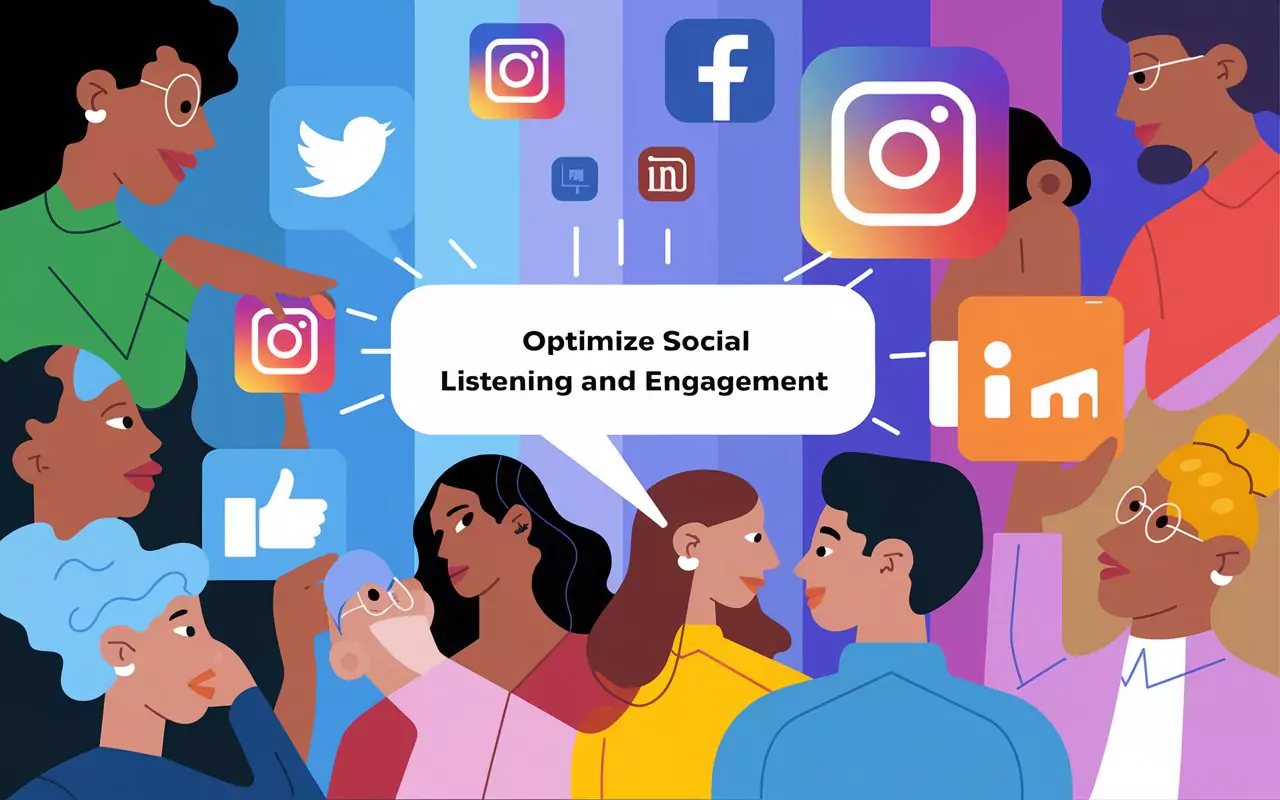
Here’s the deal—your brand’s influence hinges on the conversations it sparks and how well it engages with them. But who’s got the time to chase down every mention, hashtag, and DM? Enter AI, your omnipresent digital ear. With AI-powered social listening tools, you’re not just keeping up with what’s being said—you’re jumping into the fray at the right moments, armed with insights that matter.
Someone frustrated with their order? AI flags it instantly, alerting your team to step in and turn a potential disaster into a customer win. Is there buzz building around your product on social media? AI analyzes the chatter and recommends a killer response—or even a strategic post to fan the flames. There are even AI-based tools out there that can generate captions —smart, snappy, and optimized for each platform. So, no more scratching your head over what to say on Instagram versus Twitter. Instead, AI auto-suggests contextually relevant captions that align with the tone of each platform.
With these AI-driven tools, your brand's social presence doesn’t just exist—it thrives. You’re there when it counts, responding not only quickly but in a way that resonates. And as engagement grows, AI gives you the full picture, helping you understand which channels are driving the most impact and guiding you toward even more effective strategies.
Predictive Customer Engagement
Netflix's success isn't just a result of their vast selection of shows and movies; it's their use of predictive algorithms that keep viewers glued to their screens. By analyzing viewing habits and comparing them with millions of other users, Netflix can predict what you'll likely enjoy next, making their platform incredibly sticky.
Imagine applying this predictive power in an omni-channel marketing context. AI can help foresee what your customers might need before they even realize it themselves. Whether it's suggesting a new fashion line on a mobile app based on browsing habits or offering a coupon via email for a product the customer has been pondering in-store, AI ensures your brand remains top of mind and relevant, enhancing customer retention and satisfaction.
Amp Up Your Influencer Game
The integration of AI with your omni-channel marketing isn’t just about data wrangling—it’s about amplifying your brand’s voice through the strategic use of influencers. Consider how influencer marketing has evolved: it's no longer confined to a single post or platform.
Today, influencers can be the linchpin in delivering a cohesive brand story across all channels, from TikTok videos to billboards. The seamless orchestration of which would have been impossible without the power of AI.
All you have to do is choose an influencer discovery and analytics platform that syncs flawlessly with your AI setup, and suddenly, your influencer campaigns become a fine-tuned symphony of timing, targeting, and trend-tracking. With AI crunching the numbers, you can pinpoint which influencers resonate best with each audience segment and even measure their impact in real-time.
Tips to Getting Started
Now that we've seen the dynamic capabilities of AI, let's dive into practical, actionable tips to integrate AI technologies into your omnichannel marketing strategies effectively.
Start with a Solid Plan
First things first—lock down those objectives, zoom in on the channels begging for a boost, and zero in on the customer pain points you’re aiming to solve. Using project management or timesheet software can be incredibly beneficial here as they can help you monitor progress, allocate resources efficiently, and ensure your phased AI implementation remains on track. And if budget is a sticking point, the internet is teeming with free employee timesheet templates to help you get started without breaking the bank.
Fortify Your Data Architecture
AI thrives on data, but it can't work magic without a robust foundation. Your data needs to be clean, integrated, and accessible across all channels. Invest in a solid data infrastructure to ensure your AI tools can pull from a rich, unified data source. This might mean upgrading your CRM system and ensuring all customer interactions—whether online or in-store—are captured and stored efficiently. Companies that prioritize their data architecture often find their AI initiatives yield more accurate insights and smoother customer interactions.
Invest in Training and Change Management
Introducing AI into your virtual marketing strategy involves a significant shift for your team. Invest in training programs to equip your staff with the necessary skills to work alongside AI tools effectively. Foster a culture of continuous learning and adaptability. Additionally, implement change management strategies to smooth the transition, addressing any resistance and ensuring everyone is on board with the new processes.
AI Integration Challenges and How to Overcome Them
Integrating AI into omni-channel marketing strategies isn't without its fair share of bumps and hurdles. While the rewards are substantial, so are the potential pitfalls. Here's a breakdown of the key challenges you might face and, more importantly, how to tackle them head-on:
Complying with Data Privacy and Regulatory Laws
AI's voracious appetite for data can potentially clash with stringent privacy laws like GDPR, CCPA, TCPA and HIPAA, presenting a daunting challenge. Much like treading carefully through a minefield, companies must ensure that each application of AI adheres to these regulations. This calls for robust data governance strategies and a touch of legal acumen.
Throw in some anonymization techniques and transparent data usage policies, and you'll be well on your way to realizing your AI omnichannel campaign dreams without stepping on any legal landmines.
Providing Secure Access to AI Data Tools
Sensitive customer data is a hot commodity, so keeping your AI tools and insights secure demands serious attention. One clever way to enhance the security of your marketing data access? QR codes. By issuing unique QR codes to authorized personnel, you can tightly control who handles your AI data.
This approach not only fortifies data security but also simplifies access, empowering your team to harness AI's potential without sacrificing safety. Plus, QR codes are incredibly versatile—you can easily revoke access or generate new codes on the fly if someone leaves the team or if you spot any suspicious activity.
And here’s the best part: you don’t need a hefty budget. Many tools let you create QR codes for free, making it easy to keep your data fortress on lock without draining resources.
Measuring AI's Impact on Customer Experience
One of the thorniest issues in integrating AI into marketing strategies is proving its ROI, especially in terms of customer experience. Traditional metrics might not fully capture the subtle enhancements AI brings.
To tackle this, develop new KPIs that focus on customer satisfaction and engagement levels—metrics that can directly correlate AI interactions with customer retention and sales uplift. Utilize advanced analytics to track these metrics and continuously refine your AI tools based on the insights gathered.
Leverage AI to Supercharge OmniChannel Marketing
The marriage of AI with omni-channel strategies isn't just a fancy tech integration; it's about creating a dynamic and engaging ecosystem where each interaction with your brand becomes a stepping stone toward greater customer loyalty and satisfaction. So, gear up and let AI take your omni-channel marketing strategies from great to extraordinary.