
Table Of Contents
Role Of AI In The Gaming Industry
Published on : Aug 23 2024

Video games have changed a lot, thanks to new tech. One big game changer is Artificial Intelligence (AI). AI is making games better in many ways. It creates lively and lifelike game worlds. It shapes player experiences to make them unique. AI has become crucial to growing and innovating in the game field. Let us talk more about the many roles played by AI in the gaming industry.
The Transformation of AI Gaming
The incorporation of Artificial Intelligence in games isn't a novel idea. It began back in the 1950s and 1960s, appearing in straightforward games like chess and tic-tac-toe. Still, the AI used back then was quite rudimentary. It hinged mainly on basic choices and spotting patterns.
With tech progress, the role of AI in games grew too. Complex AI showed up in the 80s and 90s games like Pac-Man and The Legend of Zelda. They had smart features like finding ways and planning attacks. The year 2000 was important. It brought AI game characters that changed with player actions. It made games more real and tough to beat.
In the gaming world today, AI plays a big role. It helps create content, animate characters realistically, and even adapts gameplay to each player. By using machine learning and deep learning, it has gone beyond. Now, AI can behave in complex and subtle ways.
Boosting Game Creation
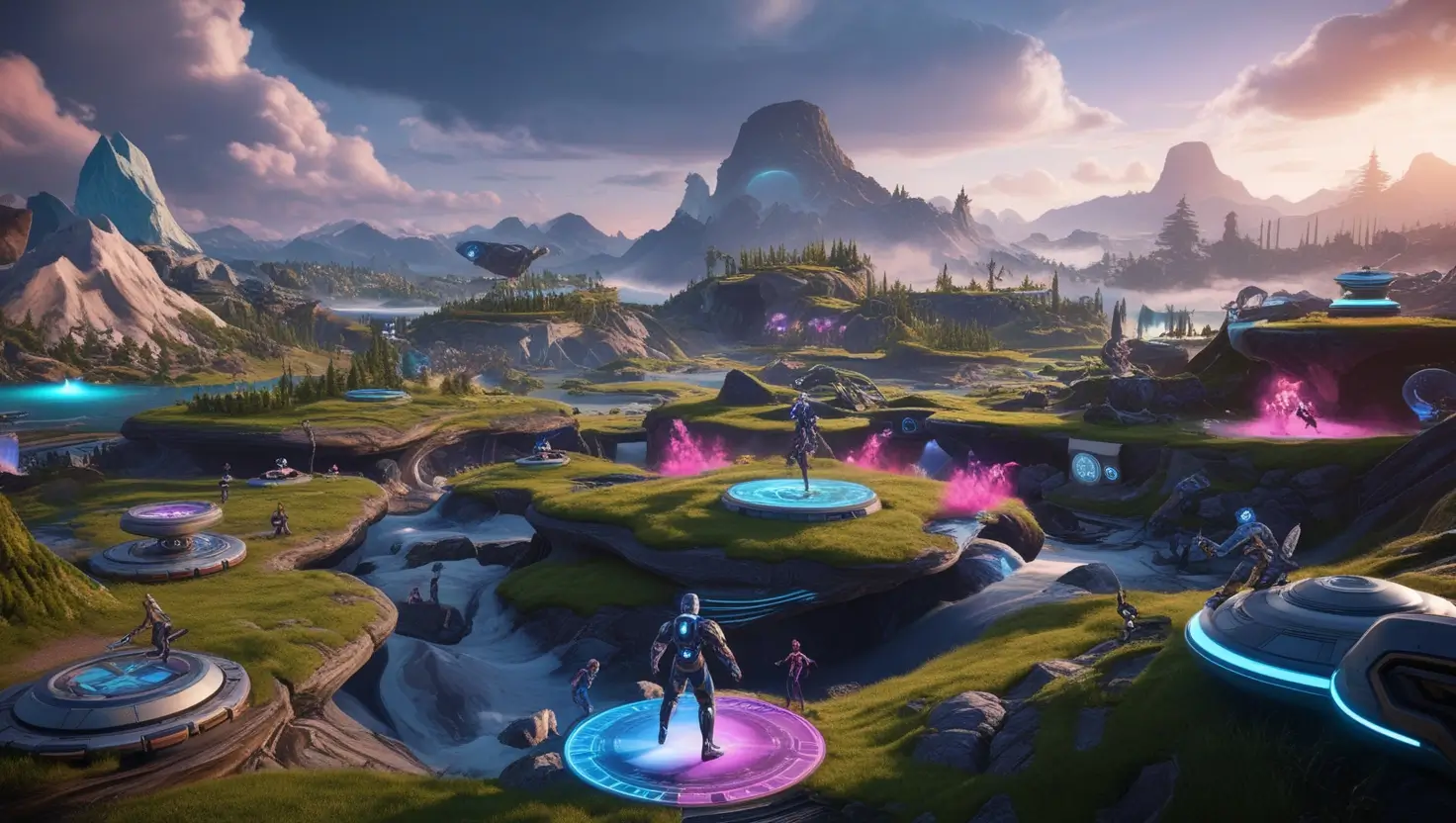
A key function of AI in the gaming sector is to boost the process of creating games. Crafting a game demands substantial resources, including a lot of time, hard work, and imagination. With AI tools, numerous steps in the game creation process turn quicker and cheaper.
Making Games with Robots
Using procedural content generation, or PCG for short, game content can be created with algorithms. AI takes over PCG, helping to make lots of different game worlds, levels, and tools. This lightens the load for human game makers. It makes things faster and lets us build big, unique game places that would be hard to make by hand.
Consider games such as Minecraft and No Man's Sky. They employ AI-powered PCG, building endless worlds. Each world has unique landscapes, plants, and creatures. It does not just boost the fun of playing again. It also sparks a feeling of exploration and discovery.
Animation backed by AI
Picturize: Making characters move and react like real-life beings is tough and takes a lot of time. Special AI tools, like machine learning and deep learning, help speed up this task. With AI, we can make animations seem really lifelike. Characters move and relate to others in a more real and convincing way.
Animation is not the only thing AI assists with; it also helps in creating advanced NPC actions. Old-school NPCs tend to stick to pre-set scripts, making them predictable and boring. In contrast, AI-powered NPCs can grow and adjust to how the player behaves, giving rise to more exciting interaction. Think about games like The Elder Scrolls V: Skyrim and Red Dead Redemption 2. In these games, NPCs display complicated behaviors. They react to what the player does. They form social bonds. They even chase their own objectives.
Boosting Game Action
Using AI is key in enhancing gameplay. It uses machine learning to sift through lots of data. It finds areas that slow down performance and tweaks how resources are used. This makes games operate better and quicker, making gaming fun and effortless for players.
Customizing Game Adventures
Customization carries more weight in the world of games nowadays, with gamers wanting adventures crafted according to their likes and ways of play. Because of AI, game makers can now offer highly customized adventures, boosting the fun and happiness of players.
Flexible Gaming
In the gaming world, there's an AI-led method known as flexible gaming. It amends the game's content and toughness according to how well the player performs. In contrast, usual games stick with unchanging difficulty levels. This can cause irritation or yawns if the game is either too hard or too much of a breeze. On the other hands, AI-backed flexible gaming can fine-tune several game factors in real-time. The cleverness of the foes, the sophistication of the puzzles, and the supply of resources can be adjusted to offer just the right level of challenge for all players.
Imagine playing Left 4 Dead. There is an AI system, nicknamed the "Director," which changes how tough or easy the game gets as you play. It keeps an eye on you, checking how good you are doing and how stressed you are. Then, based on this, it adds more enemies or supplies. The goal is to make your game fun and challenging, but still fair.
Custom Game Suggestions
AI's ability to suggest personalized content comes in handy for gamers. The AI studies the player's past games, likes, and chats with friends to suggest new games, options within games, and more. These suggestions match what the player enjoys. This does not just improve the gaming experience but also helps game creators keep players interested and make more money.
Places like Steam and Xbox Live recommend games with AI. It looks at what you have played and liked before. This way, it can show you new games you might like, making it more likely you will keep playing and maybe even buy more.
Building More Engaging Games
Being totally engrossed is crucial in the gaming world. Players want to forget about everything and explore complex, engaging virtual realities. AI technology helps make gaming much more immersive. It boosts the feel of reality, makes games more interactive, and ramps up emotional involvement.
Creating More Lifelike Virtual Worlds
Using AI, game graphics and surroundings can feel more real. Deep learning can create clear textures, realistic light, and life-like motion, making games look amazing. For example, NVIDIA’s DLSS, driven by AI, upgrades the quality of less detailed images right when you play. This gives you high-quality graphics, keeping your game always running smoothly.
Along with improving looks, AI is helping make things more lively and interesting. AI-run physics tools can mimic true relationships between stuff and people, bringing layers and twists to the gaming scene. Titles such as The Last of Us Part II and Cyberpunk 2077 tap into high-end AI-run physics and motion designs to create settings that draw you in and feel real.
Affective Tech
Also known as emotional AI, affective tech is a rapidly growing area. Its primary goal is to understand and respond to human feelings. In the world of gaming, this kind of AI can make games richer. It lets game characters show believable emotional reactions and communications.
Take the game Hellblade: Senua's Sacrifice as an instance. Here, the main character, Senua, reacts to the player's choices and moves. The game's AI setup keeps an eye on Senua's feelings. It alters her actions and chats on the fly, shaping a highly engaging and emotion-filled adventure.
Gaming's Future with AI
AI's part in the gaming scene keeps changing, thanks to regular new improvements. As AI capabilities grow, we are likely to see even more inventive and revolutionizing changes in the game world.
Game Creation Powered by AI
The world of gaming is on the edge of a thrilling transformation with the rise of AI-powered game creation. AI systems can dissect extensive player data, pinpointing trends and likes. This treasure trove of knowledge is priceless to game creators. Using this information, they can craft games that hit the mark, meshing with what players want and think.
Indeed, game design can use AI to perform tasks like creating levels and developing characters automatically. This lets developers try out fresh thoughts and concepts faster and more effectively, encouraging more originality and advancement in the sector.
Boosting Player Involvement
AI tools are set to be a game changer in boosting player involvement. With AI, experiences become personalized and adaptable, taking gaming to a whole new level. Also, AI adds social elements, like smart matchmaking and group control, helping create more robust player communities and interactions.
AI for Esports
Esports' growth opens the door for AI in gaming. AI-guided reports and training tools can aid players and teams. They offer clear advice and key information to help performance. Also, AI can make viewer experiences lively and captivating. This significantly boosts the charm of esports shows.
Conclusion
AI is changing the game, literally. It's making developing, playing, and virtual worlds better. It's added new stuff by making content, adapting gameplay, and realistic actions. AI in games is breaking limits. The future is exciting, with AI shaping the way we game and helping players connect more. As gaming grows, AI will be at the front, guaranteeing better and more exciting experiences that get everyone's attention. With AI's help, gaming will keep being innovative and evolving.