Table Of Contents
Best AI Tools for Content Creation in 2026: Writing, SEO, Paraphrasing & More
Published on : Sep 23 2026

The most useful AI content creation tools in 2026 can be divided into three main categories: writing tools such as ChatGPT, Claude, and Jasper; SEO tools such as Surfer SEO, Frase, and Clearscope; and paraphrasing tools such as QuillBot, Wordtune, and Grammarly.
Each tool usually focuses on one main task, such as writing, improving SEO, or rewriting content.
Using one tool for everything may seem convenient, but it is not always the best approach. A better option is to use one reliable tool for each task. This gives you more control over your writing, SEO, and content quality.
Key Highlights
Writing: ChatGPT and Claude are versatile choices for drafting content, while Jasper is useful for teams that need stronger brand-voice control.
SEO: Surfer SEO and Frase offer SERP-based content scoring and tools for improving content visibility in AI search.
Paraphrasing: QuillBot remains a popular rewriting tool, while Wordtune and Grammarly are useful for sentence-level rewriting and grammar improvements.
Pricing: AI writing and SEO tools range from free plans to $89 to $249+ per month, so consider your budget when choosing tools.
AEO/GEO: Many leading SEO platforms now include features designed to improve content visibility in ChatGPT, Perplexity, Google AI Overviews, and other AI search results.
Best approach: Instead of relying on one platform, use a team of tools: draft with an AI writing tool, optimize with an SEO tool, and polish the final content with a paraphrasing or grammar tool.
Best AI Writing Tools for Content Creation
AI writing tools can help with brainstorming ideas, researching topics, creating outlines, writing first drafts, editing, and improving content. In 2026, different tools are designed for different needs.
Some are general AI writing tools that can handle many tasks, while others focus on specific areas such as brand content, SEO, or writing support. Choosing the right tool depends on what you want to create, how you work, and which parts of the writing process you want AI to handle.
ChatGPT: Best All-Round AI Writing Tool
ChatGPT is a flexible AI writing tool for creating blog posts, outlines, emails, social media posts, and other content. It works well when you provide a clear prompt, audience, tone, and structure. It is also useful for brainstorming ideas and improving existing drafts.
Pros
- Works well for many types of content
- Good for brainstorming and content outlines
- Easy to customize tone and writing style
- Free plan available
Cons
- Output can feel generic without detailed prompts
- Does not replace human fact-checking and editing
Pricing: Free plan available; paid plans are available with higher usage limits and additional features.
Claude: Best for Long-Form Writing
Claude is useful for writers who work on detailed articles, reports, guides, and other long-form content. It can follow detailed instructions and maintain a consistent tone across longer drafts. It is also useful for rewriting and improving existing content.
Pros
- Strong long-form writing
- Natural and clear writing style
- Handles detailed instructions well
- Useful for editing and rewriting
Cons
- Free usage has limits
- Some advanced features require a paid plan
Pricing: Free plan available; paid plans are available for higher usage and additional features.
Jasper: Best for Marketing Teams
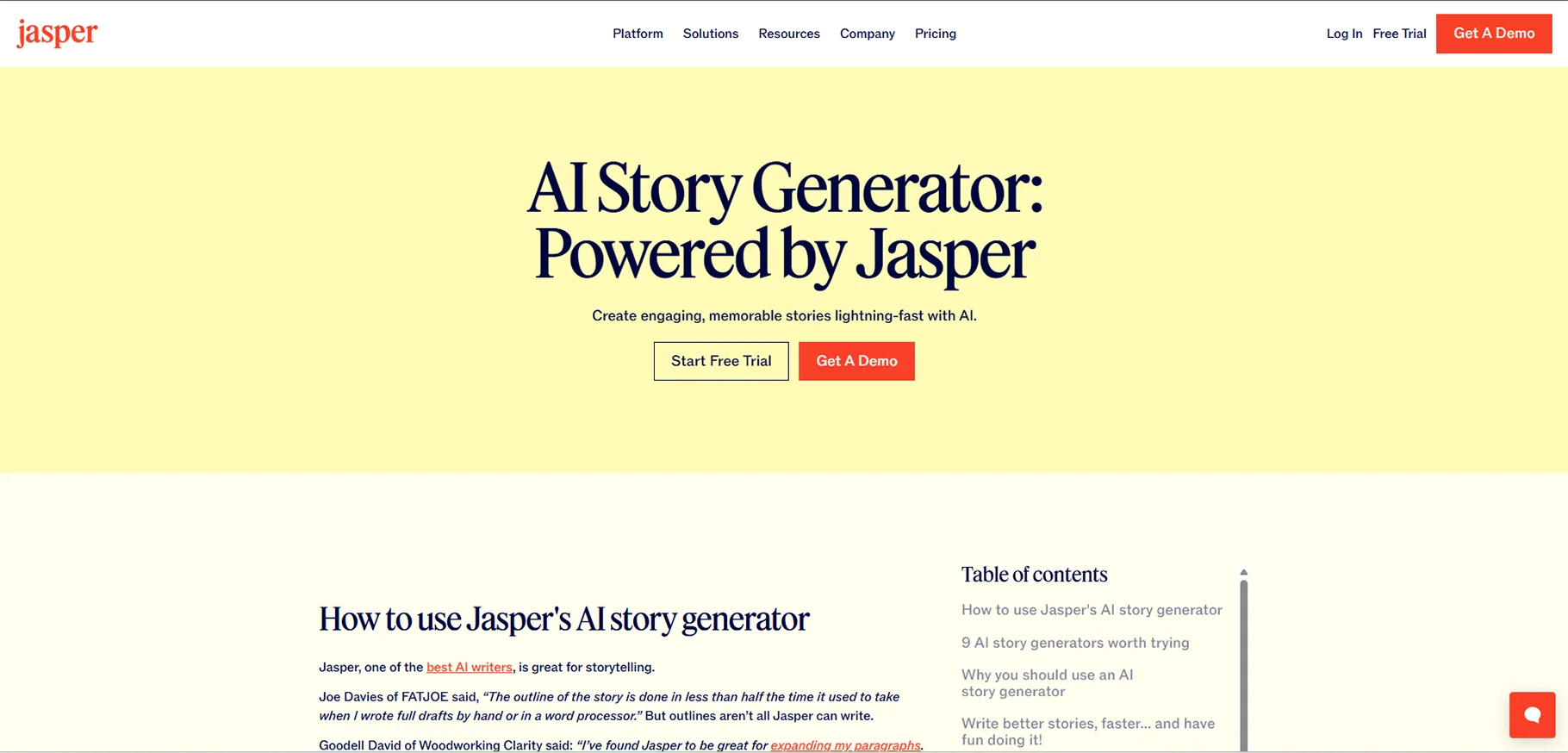
Jasper is designed mainly for businesses, agencies, and marketing teams. It focuses on creating marketing content while helping teams maintain a consistent brand voice. Its workflows and collaboration features make it more suitable for teams than casual users.
Pros
- Strong brand voice features
- Built for marketing teams
- seful for creating content at scale
- Supports marketing workflows
Cons
- More expensive than general-purpose AI tools
- May be unnecessary for individual writers
- Better suited to marketing use cases than general writing
Pricing: Paid plans; pricing varies by plan and business requirements.
Copy.ai: Best for Marketing and Sales Content
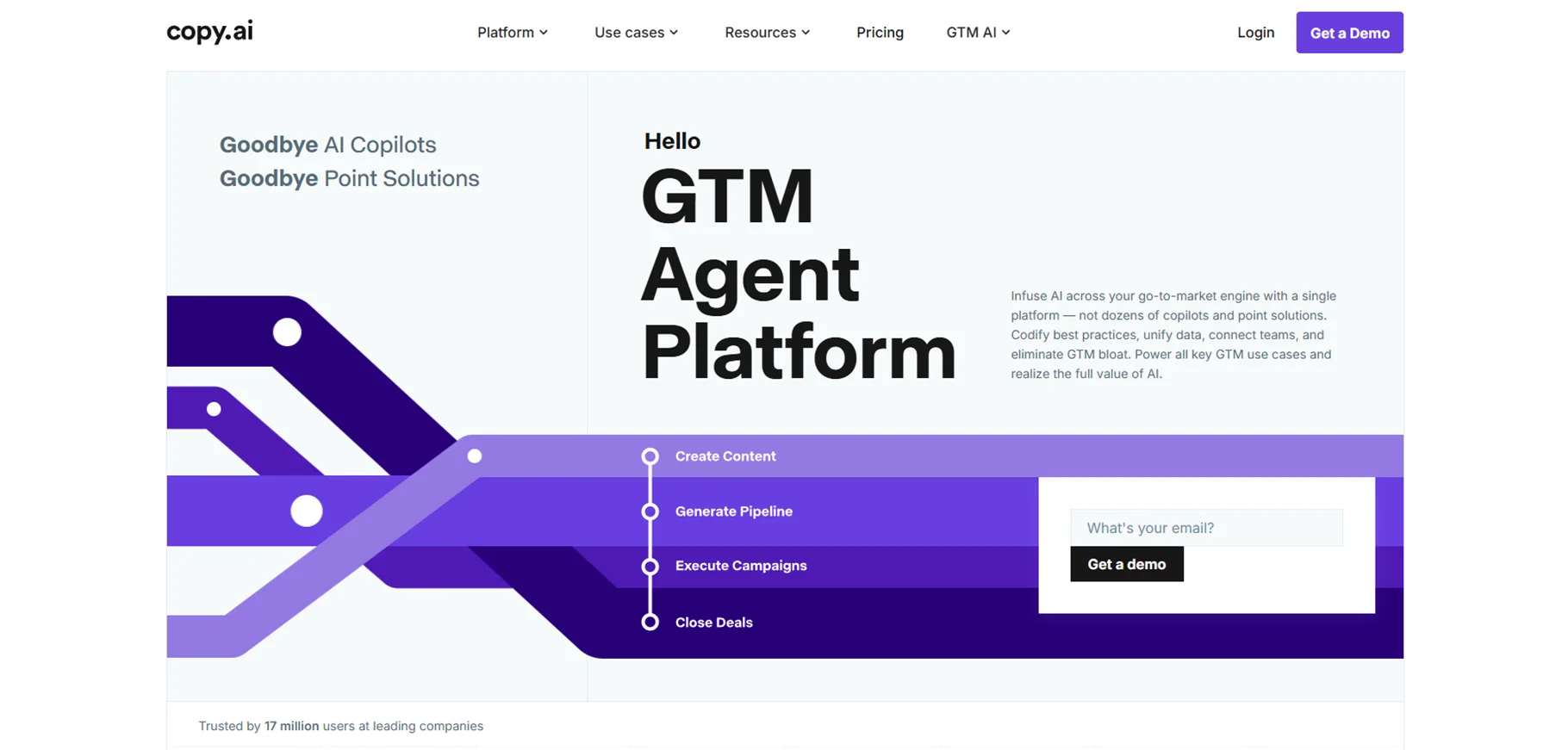
Copy.ai focuses on marketing and sales content such as website copy, emails, product descriptions, and social media posts. It provides templates and workflows that can help teams create repetitive business content faster, which pairs well with broader AI marketing automation tools.
Pros
- Useful marketing templates
- Good for sales and marketing workflows
- Helps create content quickly
- Suitable for business teams
Cons
- Some advanced features require paid plans
- General-purpose AI tools may offer more flexibility
Pricing: Free plan available; paid plans are available for higher usage and additional features.
Writesonic: Best for AI Content and SEO
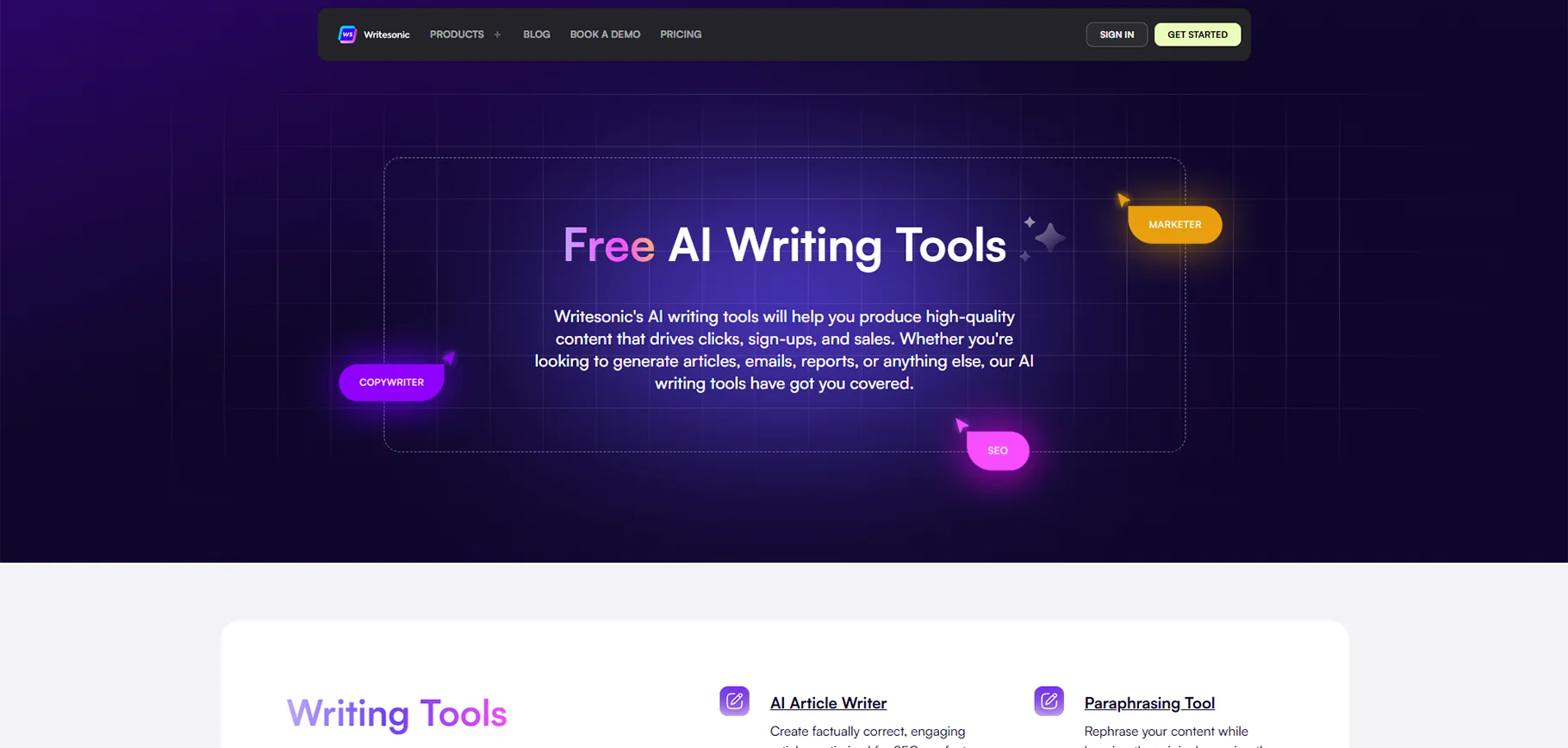
Writesonic combines AI writing with features designed for SEO and content creation. It can help users create articles, website copy, and other marketing content. It is useful for marketers who want writing and content optimization features in one platform.
Pros
- Useful for SEO-focused content
- Supports different content formats
- Includes content optimization features
- Suitable for marketers and agencies
Cons
- Advanced features require paid plans
- Quality can depend heavily on the instructions provided
Pricing: Free trial/limited access may be available; paid plans vary by usage and features.
Grammarly: Best for Editing and Writing Assistance
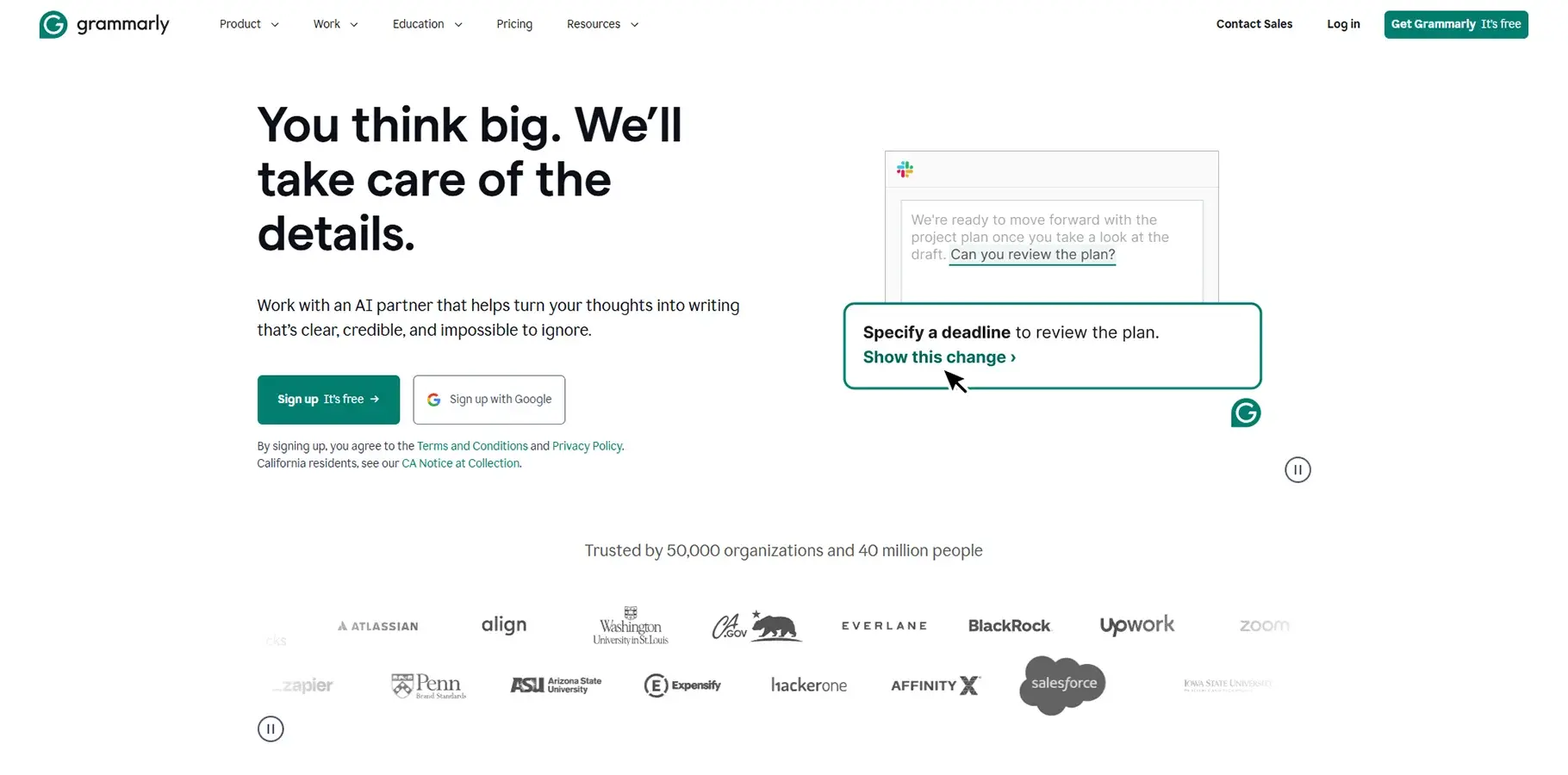
Grammarly works alongside you while you write instead of mainly generating complete articles from scratch. It checks grammar, clarity, tone, and other writing issues. It is useful for improving AI-generated drafts as well as human-written content.
Pros
- Strong grammar and spelling checks
- Useful for improving clarity
- Provides tone suggestions
- Works across many writing environments
Cons
- Not primarily designed for long-form content generation
- Many advanced features require a paid plan
Pricing: Free plan available; paid plans provide additional writing and editing features.
Writer: Best for Business Writing
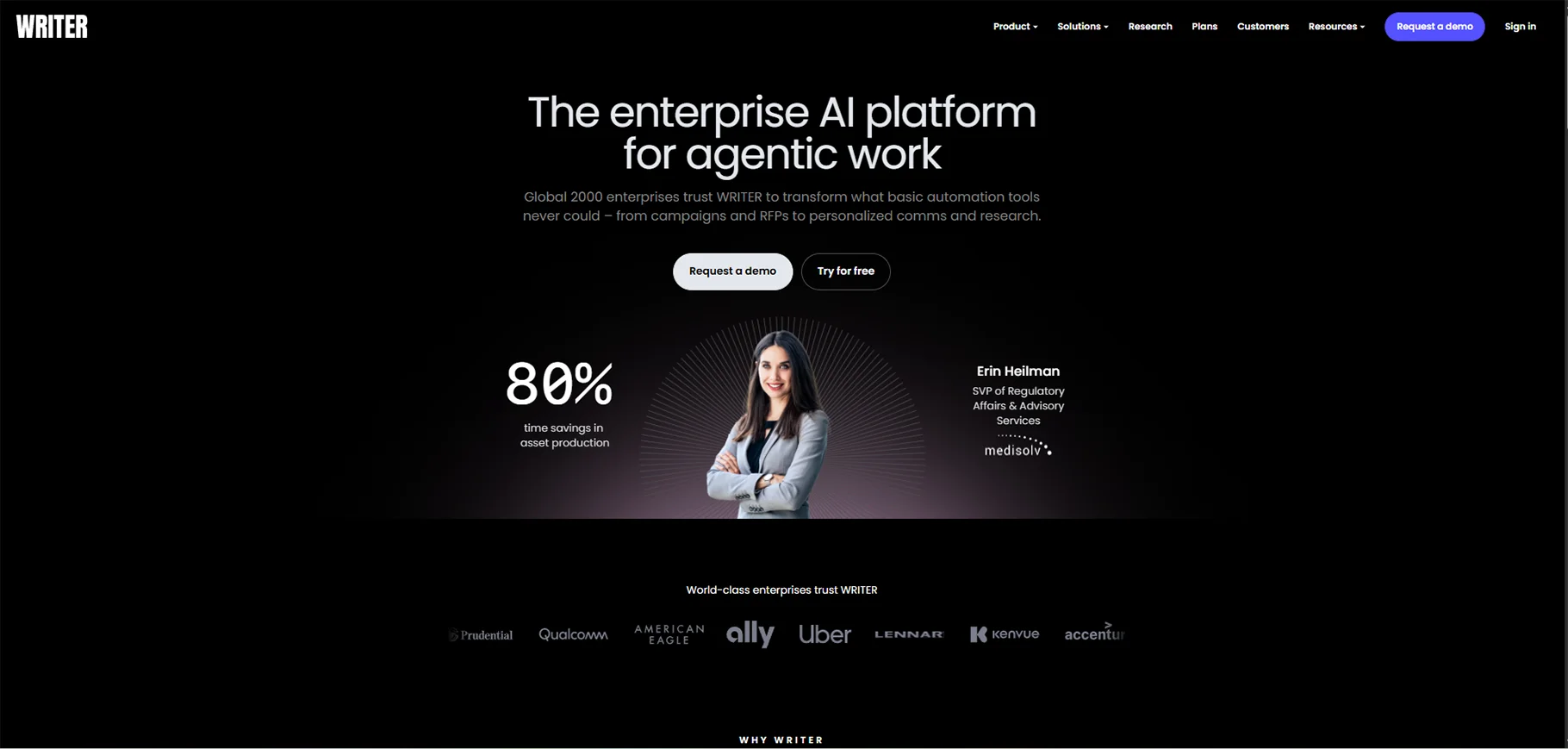
Writer is designed for organizations that need consistent writing across teams. It provides AI writing and editing features with a focus on company style, terminology, and brand guidelines. This makes it more suitable for businesses than individual casual users.
Pros
- Strong brand and style controls
- Useful for teams and businesses
- Supports consistent company writing
- Designed for enterprise use
Cons
- More focused on business users
- Can be expensive for individual writers
Pricing: Business and enterprise pricing; plans depend on team requirements.
Anyword: Best for Marketing Copy
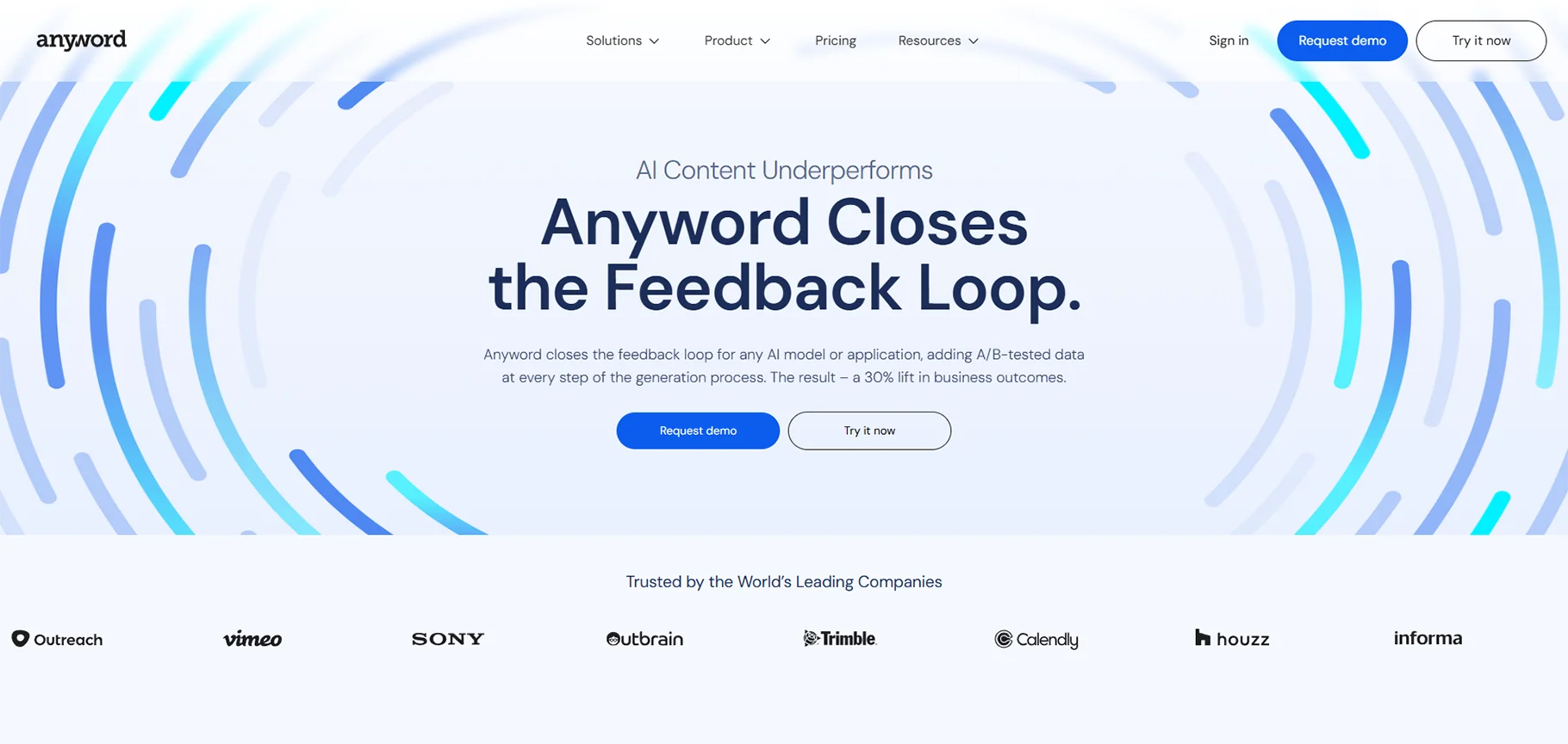
Anyword is focused on marketing content such as ads, landing pages, emails, and social media copy. It also provides features designed to help marketers improve and compare different versions of their copy.
Pros
- Useful for marketing copy
- Supports multiple content formats
- Helpful for testing different copy variations
- Designed for marketing teams
Cons
- Less useful for general-purpose writing
- Advanced features require paid plans
Pricing: Paid plans are available, with pricing based on features and usage.
Sudowrite: Best for Fiction Writing
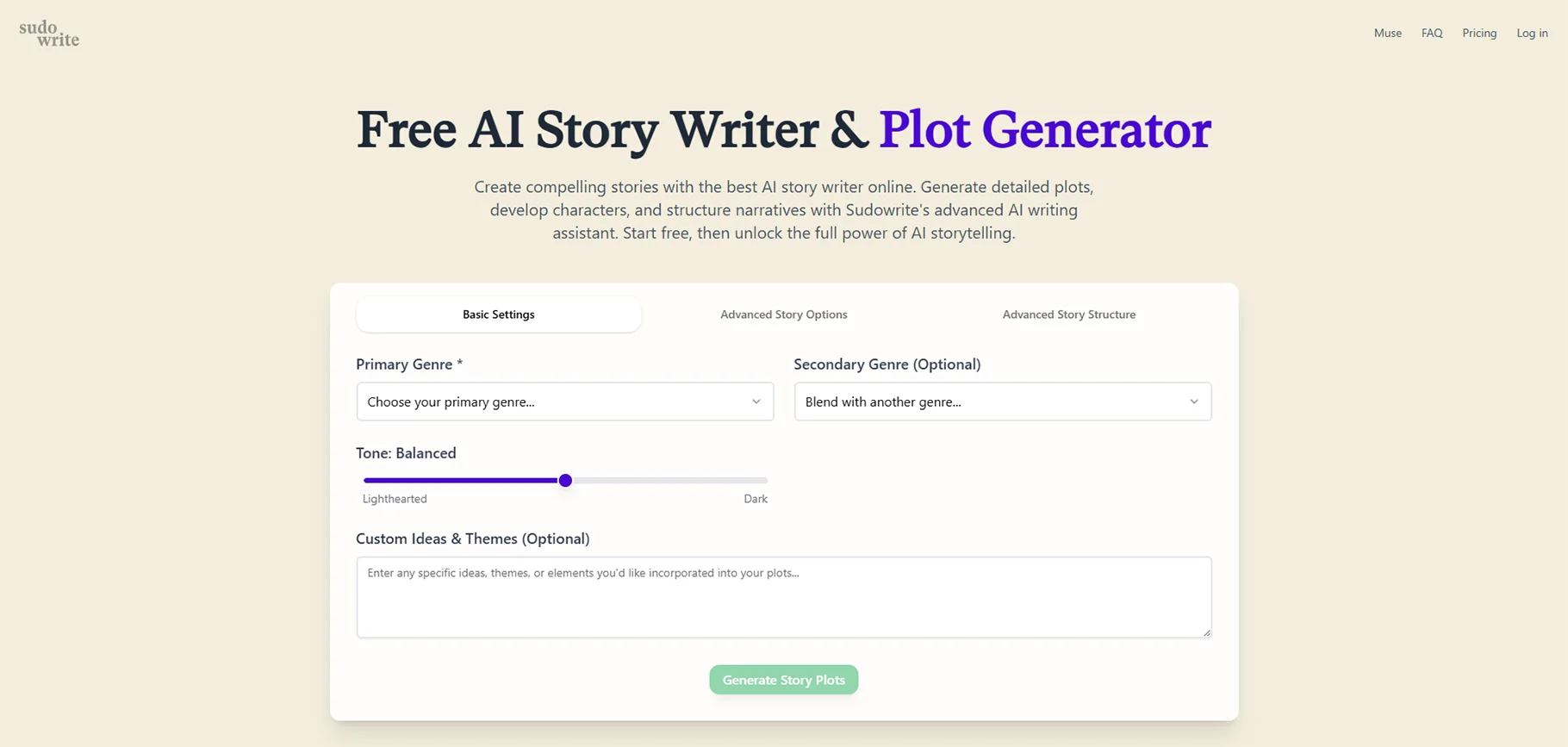 Sudowrite is designed specifically for creative writers and fiction authors. It helps with ideas, descriptions, character development, and continuing scenes. Its features are more focused on storytelling than business or SEO content.
Pros
- Built for fiction writers
- Useful for story ideas and descriptions
- Helps develop characters and scenes
- Supports creative writing workflows
Cons
- Not designed primarily for business content
- Paid subscription required for regular use
Pricing: Paid plans are available, with pricing based on usage.
Frase: Best for SEO Content
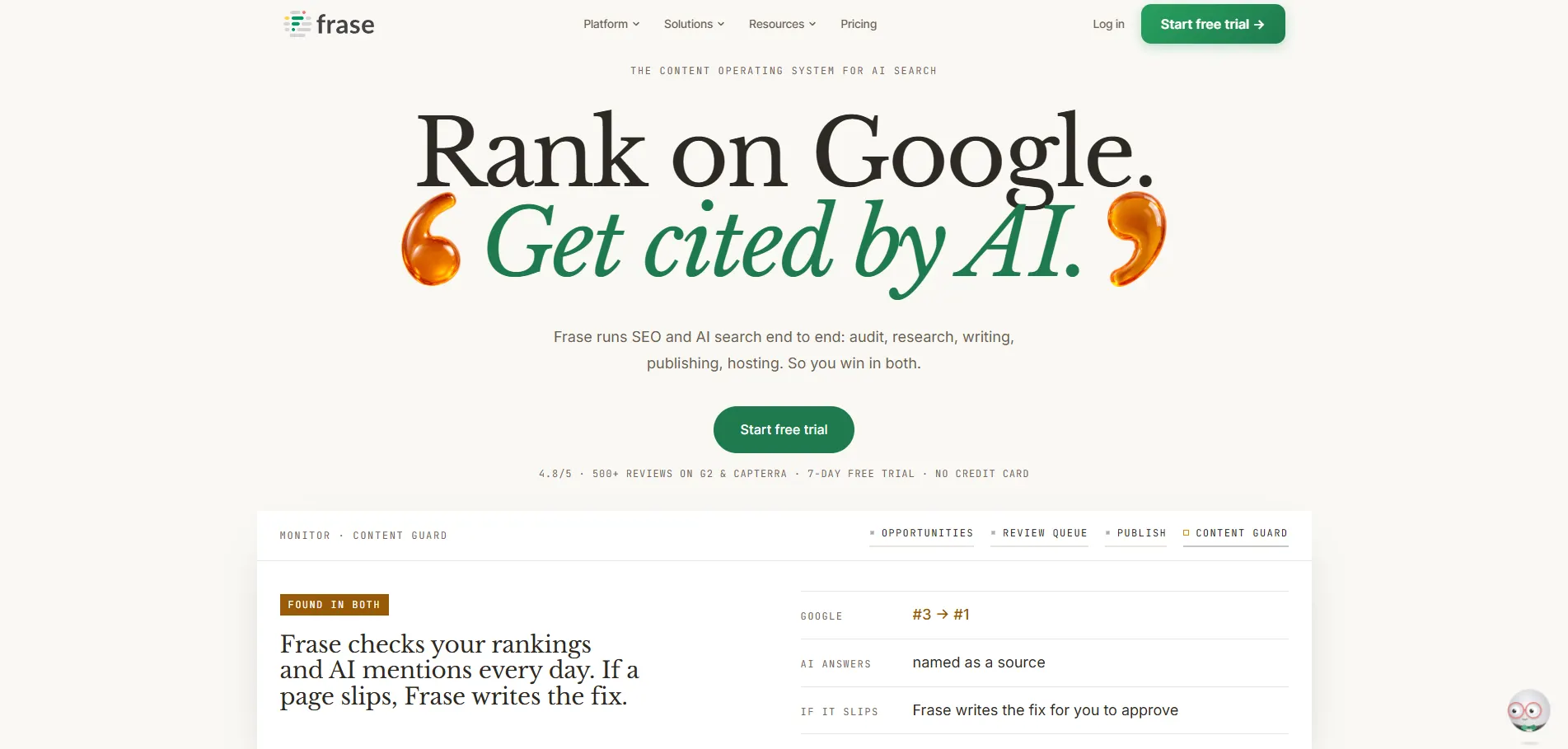
Frase combines AI writing with SEO research and content optimization. It can help users research search results, build content briefs, create drafts, and optimize articles around relevant topics.
Pros
- Strong focus on SEO content
- Useful for content briefs and research
- Helps optimize existing articles
- Suitable for SEO teams and content marketers
Cons
- SEO-focused features may be unnecessary for casual writers
- Full functionality requires a paid plan
Pricing: Paid plans are available; pricing varies by plan and usage.
Best AI SEO Tools for Content Optimization
AI SEO tools help turn a basic draft into content that is better structured, more relevant to search intent, and easier for search engines to understand. Many tools now also include features for AI search visibility, content briefs, keyword research, and optimization. Here are some of the most useful AI SEO tools for content optimization.
Surfer SEO: Best for Real-Time Content Optimization
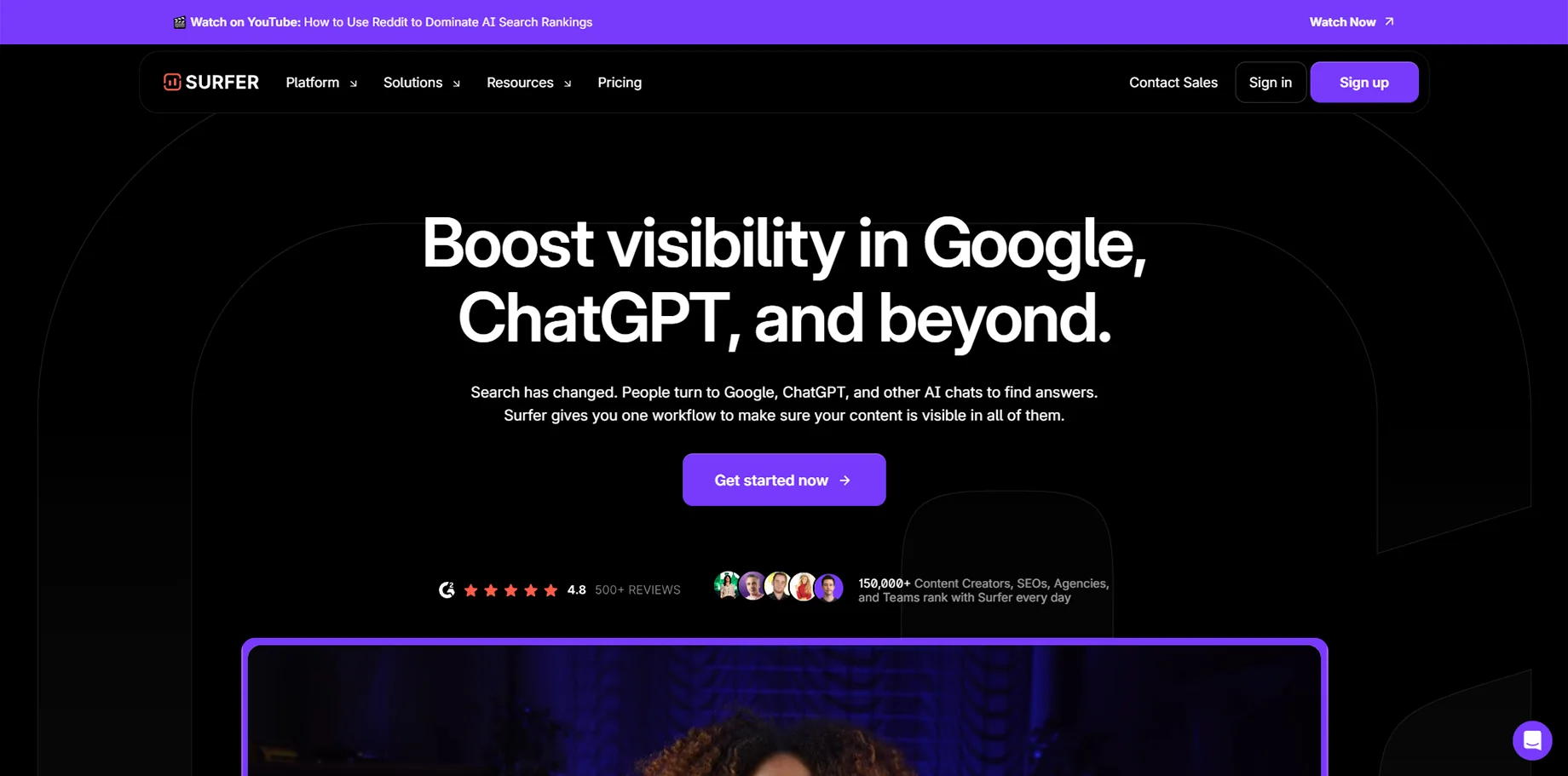
Surfer SEO analyzes search results for your target keyword and provides recommendations while you write. Its Content Editor can suggest relevant terms, content length, headings, and other elements based on competing pages. It is useful for writers and SEO teams that want real-time optimization guidance.
Pros
- Provides real-time content scoring
- Analyzes competing pages in search results
- Useful for keyword and content optimization
- Integrates with tools such as Google Docs and WordPress
Cons
- Mainly focused on on-page SEO
- Can be expensive for individual writers
- Does not replace a full technical SEO or backlink tool
Pricing: Paid plans start at around $89/month, depending on the plan and billing cycle.
Frase: Best for SEO Content Briefs
Frase combines SEO research, content briefs, and AI writing features in one platform. It analyzes search results to help you understand what competing pages cover before you start writing. It can also help create outlines and optimize existing content.
Pros
- Useful for creating SEO content briefs
- Helps analyze competing content
- Includes AI-assisted writing features
- Good option for content teams and freelancers
Cons
- Some advanced features require paid plans
- AI-generated content still needs human editing
- Less suitable if you only need basic keyword research
Pricing: Paid plans are available, with a lower entry price than some enterprise-focused SEO platforms.
Clearscope: Best for Enterprise Content Optimization
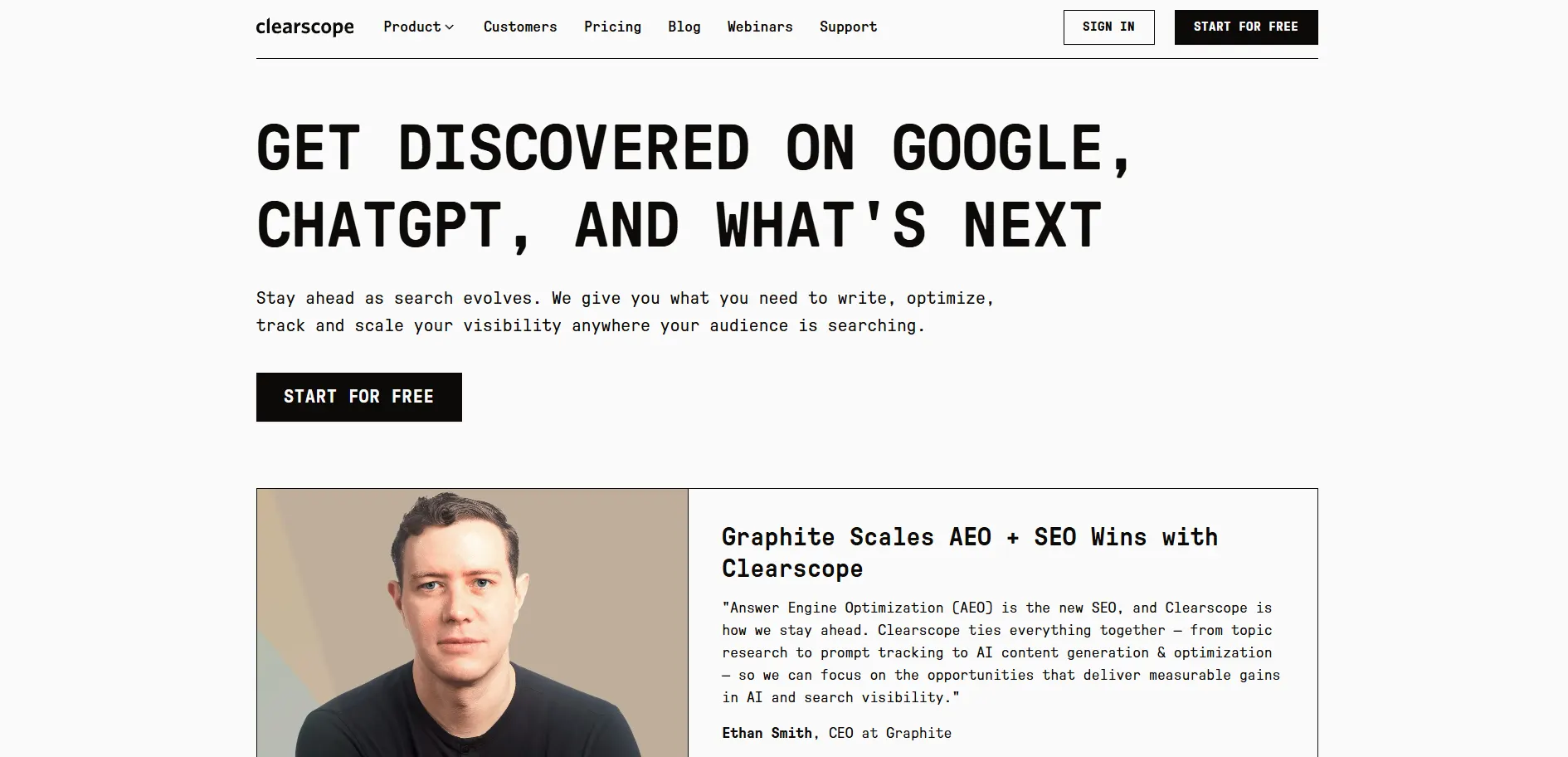
Clearscope is an SEO content optimization platform designed for teams that publish content at scale. It provides content recommendations and grading features to help writers cover relevant topics and maintain consistent content quality.
Pros
- Simple content optimization interface
- Useful for large content teams
- Helps maintain consistent SEO standards
- Strong focus on content quality and relevance
Cons
- More expensive than many alternatives
- Better suited to businesses and content teams
- May offer more features than individual bloggers need
Pricing: Premium plans start at around $199/month, depending on the plan and billing terms.
Semrush: Best for All-in-One SEO
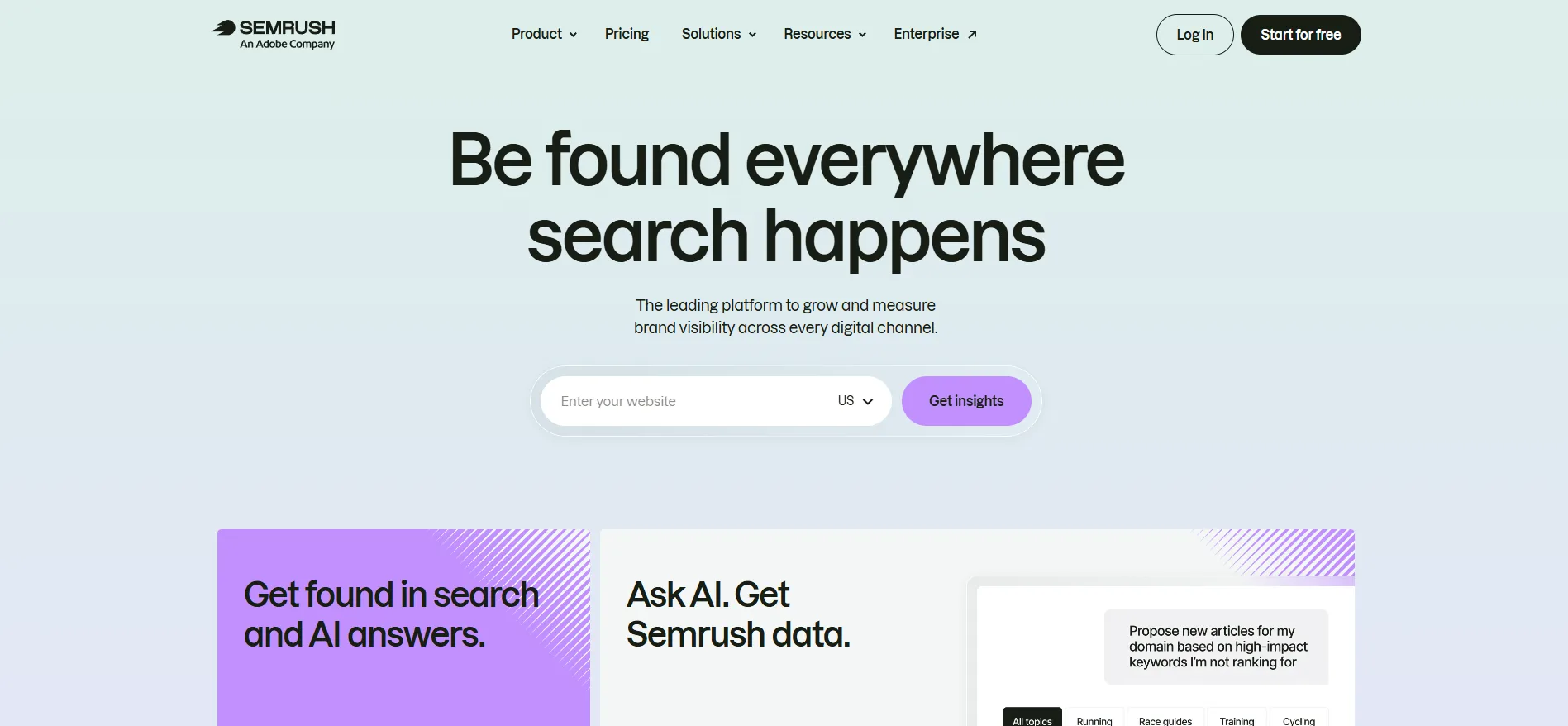
Semrush is a broad SEO platform that covers much more than content optimization. It includes keyword research, competitor analysis, site audits, backlink analysis, content tools, and other SEO features. It is useful for teams that want multiple SEO functions in one platform.
Pros
- Large range of SEO features
- Strong keyword and competitor research
- Includes technical SEO and backlink tools
- Useful for agencies and SEO teams
Cons
- Can feel complex for beginners
- More expensive than specialized content tools
- Many advanced features are available only on higher plans
Pricing: Paid plans are available, with pricing varying by plan and features.
Ahrefs: Best for SEO Research and Content Planning
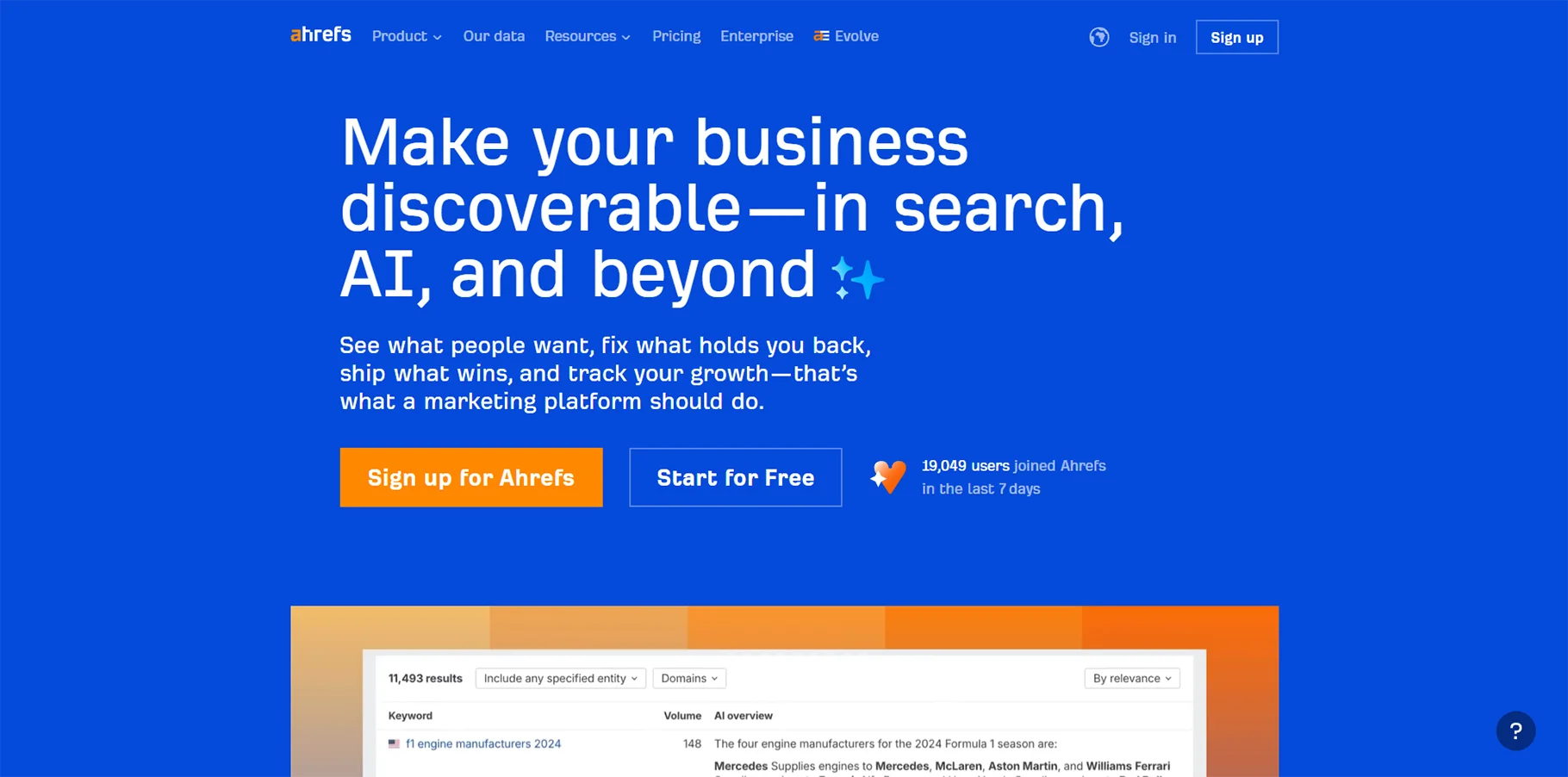
Ahrefs is widely used for keyword research, competitor analysis, backlink research, and SEO planning. Its content-related features can help identify topics and keywords worth targeting before creating an article.
Pros
- Strong keyword research
- Detailed competitor analysis
- Large backlink database
- Useful for content planning
Cons
- Can be expensive for beginners
- Requires time to learn the platform
- Content optimization is only one part of the overall platform
Pricing: Paid plans are available, with pricing based on features and usage.
Scalenut: Best for AI-Powered SEO Content

Scalenut combines AI writing with SEO research and content optimization. It can help users find topics, create content briefs, generate drafts, and optimize articles around relevant search terms.
Pros
- Combines SEO research and AI writing
- Useful for creating content briefs
- Supports content optimization
- Suitable for marketers and content teams
Cons
- AI drafts still need editing
- Some advanced features require paid plans
- Can be more than needed for simple SEO projects
Pricing: Paid plans are available, with pricing depending on features and usage.
The AI-Search Shift Worth Knowing
Traditional SEO tools optimized purely for Google rankings. That's no longer enough. Research shows 86% of top-cited AI sources are unique to their platform, with less than 14% overlap between ChatGPT, Perplexity, and Google AI Overviews, meaning content optimized only for classic search can be invisible inside AI answers. The 2026 content strategy increasingly requires two complementary capabilities: tools that optimize for search rankings, and tools that monitor AI citation presence. When evaluating an SEO tool this year, check whether it addresses both, and consider reading a broader AEO and GEO guide to understand how citations are earned across platforms like Perplexity.
Best AI Paraphrasing Tools for Rewriting & Polishing
AI paraphrasing tools help rewrite existing text while keeping its original meaning. They can improve clarity, change the tone, shorten sentences, or make a draft easier to read. They are useful for polishing both AI-generated and human-written content.
QuillBot: Best Overall Paraphrasing Tool
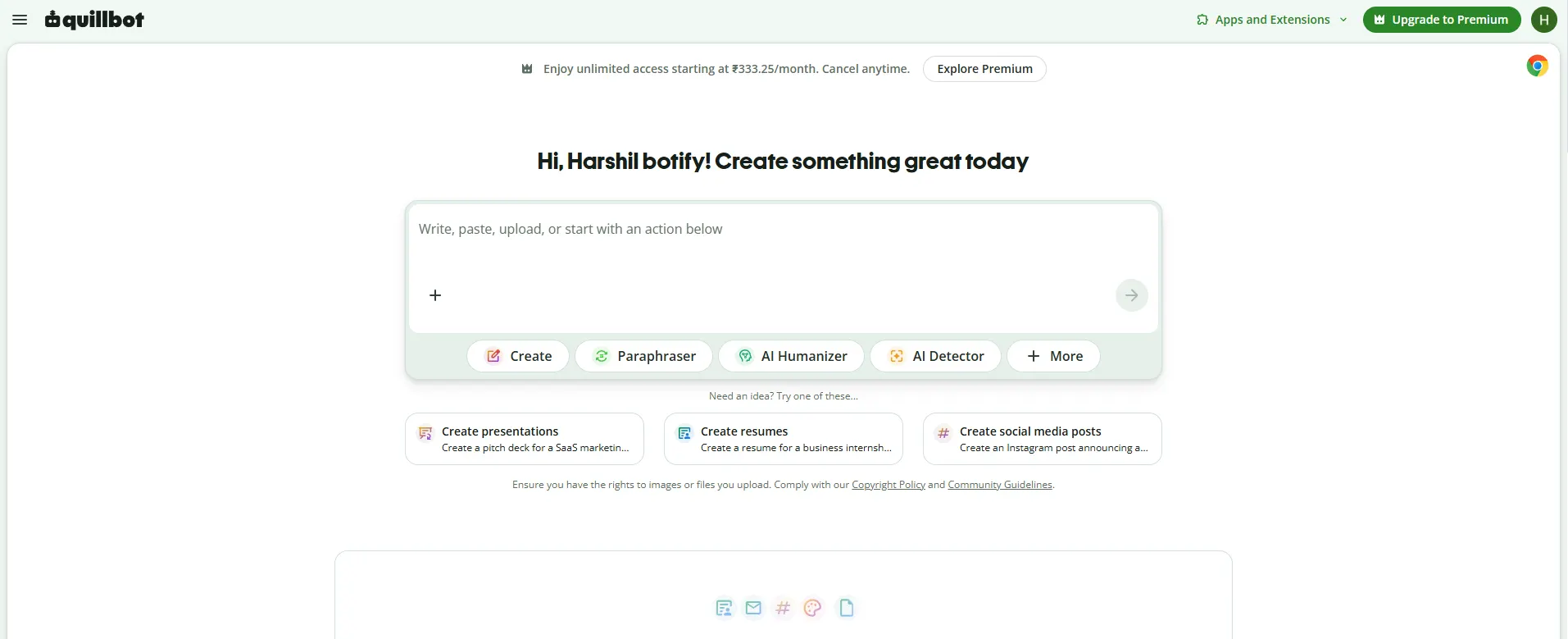
QuillBot is a popular paraphrasing tool for rewriting sentences, paragraphs, and longer pieces of content. It offers different writing modes for changing tone and style while keeping the main meaning of the text. It also includes grammar checking, summarization, plagiarism checking, and other writing features.
Pros
- Multiple paraphrasing modes
- Useful for changing tone and sentence structure
- Includes grammar and summarization tools
- Easy to use for students, writers, and professionals
Cons
- Free plan has word and feature limits
- Some advanced features require Premium
- Rewritten content may still need human editing
Pricing: Free plan available with limited features. Premium starts at around $8.33/month when billed annually.
Wordtune: Best for Sentence-Level Rewriting
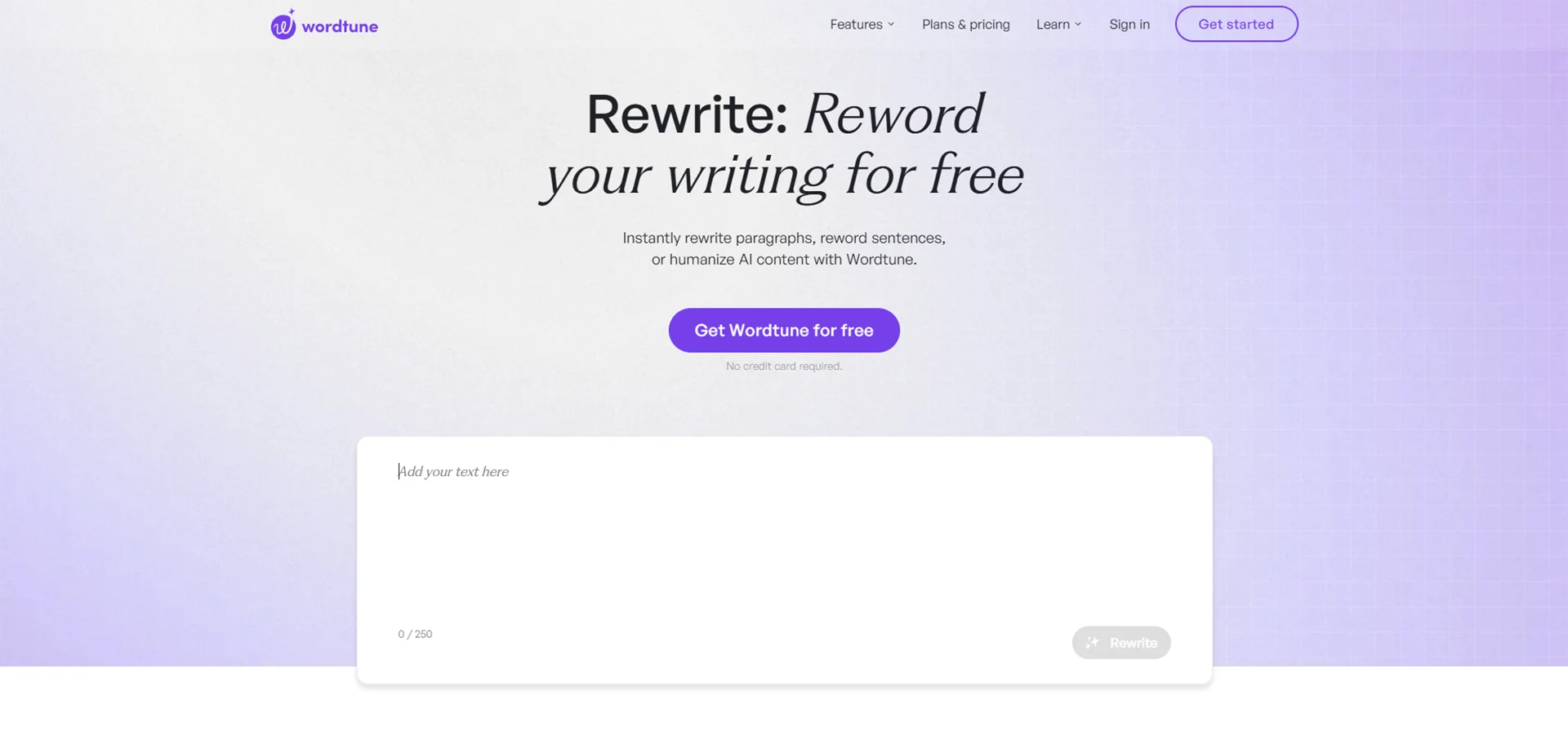
Wordtune focuses on improving individual sentences and short sections of text. It provides suggestions for rewriting, shortening, expanding, or changing the tone of your writing. This makes it useful when you want more control over each sentence instead of rewriting an entire article at once.
Pros
- Strong sentence-level rewriting
- Helps improve tone and clarity
- Can shorten or expand sentences
- Useful for professional and creative writing
Cons
- Better suited to smaller sections than full articles
- Free usage is limited
- Advanced features require a paid plan
Pricing: Free plan available; paid plans start at around $6.99/month, depending on the plan and billing cycle.
Grammarly: Best for Grammar and Paraphrasing
Grammarly combines grammar checking, rewriting, and AI writing assistance in one platform. Its paraphrasing features can help change sentence structure and tone while its grammar tools identify spelling, punctuation, and clarity issues. It is a practical option for users who already use Grammarly for editing.
Pros
- Combines grammar checking and rewriting
- Easy to use while writing
- Supports different writing tones
- Works with browsers, Google Docs, Microsoft Word, and other platforms
Cons
- Paraphrasing is not its main focus
- Advanced features require a paid plan
- Can be more expensive than dedicated paraphrasing tools
Pricing: Free plan available with limited AI usage; paid plans provide higher AI limits and additional writing features.
Comparison Table: Writing vs. SEO vs. Paraphrasing Tools
Tool | Category | Best For | Starting Price |
ChatGPT | Writing | General-purpose drafting & research | Free / paid tiers |
Claude | Writing | Long-form, natural tone, accuracy | Free / paid tiers |
Jasper | Writing | Brand-voice team content | ~$39 to 59/mo |
Surfer SEO | SEO | Real-time content scoring | ~$89/mo |
Frase | SEO | SEO briefs + AI drafting | ~$15/mo |
Clearscope | SEO | Enterprise content optimization | ~$199/mo |
QuillBot | Paraphrasing | All-around rewriting, 9 modes | Free / $8.33/mo |
Wordtune | Paraphrasing | Sentence-level rewriting | ~$6.99/mo |
Grammarly | Paraphrasing + Grammar | Combined grammar & rewording | Free / $12/mo |
How to Build a Complete AI Content Creation Stack
You do not need one AI tool to handle every part of content creation. A better approach is to use different tools for different tasks, and choosing the right combination is easier once you discover AI tools faster through a dedicated directory.
Step 1: Draft
Use ChatGPT or Claude to create an outline or first draft based on your content brief. Add your own research, examples, and ideas to make the content useful, accurate, and original. If you're deciding between the two, a ChatGPT vs Claude vs Gemini comparison can help you pick the right fit.
Step 2: Optimize
Run your draft through Surfer SEO or Frase. These tools can help improve your headings, keywords, content structure, and topic coverage based on search results, and can complement your understanding of how AI search differs from Google search.
Step 3: Polish
Use QuillBot or Grammarly to improve sentences, fix grammar mistakes, and make the content easier to read. Always review the final version yourself before publishing.
This simple workflow lets you use each AI tool for the task it handles best. Instead of relying on one tool for everything, you can combine writing, SEO, and editing tools to create stronger content, especially if you're building out a broader AI productivity workflow.
Common Mistakes to Avoid
Publishing the first AI draft: AI content can miss important details or sound too general. Always review and improve it.
Skipping SEO optimization: A well-written article may still miss the search intent if you do not check its SEO structure. Learning how to rank your website in AI search results can help close this gap.
Changing the meaning while paraphrasing: Avoid rewriting text too much just to make it look different.
Paying for expensive tools too early: Start with a lower-cost plan and upgrade when your content workflow needs more features. This is especially useful advice for freelancers choosing AI tools on a tighter budget.
If you want to compare more tools before choosing one, check FindMyAITool's AI Writing Tools and SEO Tools categories for more options.
Conclusion
There's no single "best" AI content creation tool in 2026. The better approach is to build a simple tool stack that fits your workflow. Start with ChatGPT or Claude for ideas and drafts, use Surfer SEO or Frase to improve SEO, and finish with QuillBot or Grammarly for rewriting and polishing.
You can also explore more AI tools on FindMyAITool's directory, where you can discover tools for writing, SEO, research, and other content tasks in one place. Start with free or low-cost plans, test your workflow, and upgrade only the tools that improve your content quality, ranking, tone, or speed.
FAQs
What are the best AI tools for content creation in 2026?
The best picks are ChatGPT and Claude for writing, Surfer SEO and Frase for optimization, and QuillBot and Grammarly for paraphrasing. Each tool handles a different part of the content process well.
Is Claude or ChatGPT better for writing?
Claude tends to work better for long, detailed content like guides and reports. ChatGPT is more flexible for quick posts, outlines, and brainstorming. Many writers use both depending on the task.
What is the best free AI writing tool?
ChatGPT and Claude both offer solid free plans for everyday writing tasks. They work well for drafting blog posts, emails, and outlines without any upfront cost, though paid plans unlock more features.
Which AI tool is best for SEO content?
Surfer SEO is strong for real-time content scoring, while Frase is better for building content briefs and outlines. Both compare your draft against top-ranking pages to guide your writing.
What is the best AI paraphrasing tool in 2026?
QuillBot is the most popular choice, offering multiple rewriting modes plus grammar and plagiarism checks. Wordtune is better if you only need help polishing individual sentences.
Do I need separate tools for writing, SEO, and editing?
Not always, but using separate tools usually gives better results. One tool for drafting, one for SEO, and one for polishing gives you more control than relying on a single all-in-one platform.
How much do AI content tools cost?
Prices range from free plans to around $89 to $249 or more per month for premium SEO tools. Most writing and paraphrasing tools offer a free tier before you need to upgrade.
Prices range from free plans to around $89 to $249 or more per month for premium SEO tools. Most writing and paraphrasing tools offer a free tier before you need to upgrade.
Yes, but only after human editing and SEO optimization. Publishing an unedited AI draft rarely ranks well. Running it through an SEO tool and reviewing it yourself makes a big difference.
What is the easiest AI writing tool for beginners?
ChatGPT is generally the easiest to start with since it needs only a simple prompt to generate content. Grammarly is also beginner-friendly for anyone who just wants writing and grammar help.
How do I choose the right AI tool for my content workflow?
Start by picking one tool for drafting, one for SEO, and one for polishing. Try free plans first, see what fits your workflow, and only upgrade to paid plans as your needs grow.